The American Revolution was a war long ago when 13 American colonies broke away from Britain and made a new country. A colony is a place ruled by another country far away. These 13 colonies were ruled by Britain and its king. The war ran from 1775 to 1783, and the Americans won. The new country they made is the United States of America.
Why the American Revolution can be tricky
The American Revolution is full of famous stories. Some of those stories changed a little over the years. They can sound a bit different from what really happened.
You may have heard that Paul Revere rode through towns yelling “The British are coming!” The truth is a little different. Riders kept quiet so British soldiers would not hear them. Many of the colonists still thought of themselves as British too.
Here is another surprise. People often say the whole country was made on the Fourth of July, all at once. But the leaders had already voted to be free two days earlier, on July 2. The Fourth of July is the day they agreed on the words of a special paper. So both days matter.
Key facts about the American Revolution
Thirteen colonies fought to be free. They were lined up along the east coast of North America. They later became the first 13 states.
The colonists were angry about taxes. Britain taxed goods such as tea and paper. The colonies had no elected representatives in Britain’s legislature, called Parliament.
The Boston Tea Party happened in 1773. Colonists in Boston were upset about a tax on tea. They climbed onto ships at night and threw 342 chests of tea into the water.
The war began in 1775. The first fighting was near Boston, in the towns of Lexington and Concord.
George Washington led the American army. His army was called the Continental Army. Later, he became the first president of the United States.
The Declaration of Independence was adopted on July 4, 1776. This paper said the colonies were now free from Britain. Thomas Jefferson wrote most of it.
France helped the Americans. France sent soldiers, ships, and supplies to fight against Britain. This help was very important.
The Americans won the war. Britain agreed to let the colonies go in a peace deal in 1783. The United States was now its own free country.
Common myths about the American Revolution
Myth: Paul Revere shouted “The British are coming!” Riders that night stayed quiet so they would not be caught. Paul Revere was even stopped by British soldiers before he reached Concord. Other riders helped carry the warning.
Myth: Everyone signed the Declaration of Independence on July 4. The Fourth of July is the day the leaders agreed on the words. Most of them signed the paper weeks later. The leader John Hancock signed first, with a big bold signature.
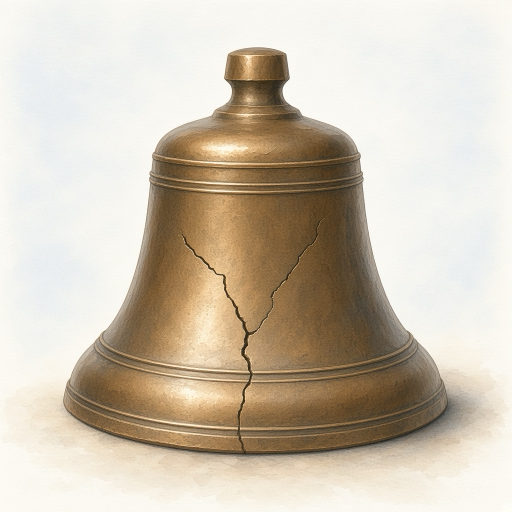
Myth: The Liberty Bell cracked while ringing for freedom on July 4, 1776. That story was made up much later. The bell’s famous crack happened many years afterward, not on that day.
Myth: The colonies wanted to take over Britain. The colonies wanted to rule themselves, not rule Britain. They wanted their own country.
Myth: Betsy Ross sewed the very first American flag. This is a popular story, but no one can prove it. The story was first told by her grandson almost 100 years later.
Frequently asked questions about the American Revolution
What was the American Revolution?
The American Revolution was a war between 13 American colonies and Britain. The colonies wanted to be free and rule themselves. They fought from 1775 to 1783, won the war, and made a new country, the United States.
Who won the American Revolution?
The Americans won. Britain agreed to let the 13 colonies become a free country in a peace deal signed in 1783. France helped the Americans, which made a big difference. George Washington led the winning American army.
What caused the American Revolution?
A central dispute involved taxes and political representation. Britain taxed goods such as tea, paper, and glass, while the colonies had no elected representatives in Parliament. Protesters used the saying “no taxation without representation” to argue that people should not be taxed by a legislature in which they had no elected voice.
Why is the Fourth of July special?
On July 4, 1776, American leaders agreed on the Declaration of Independence. That paper said the colonies were now free from Britain. The United States celebrates its birthday, called Independence Day, every Fourth of July.
Who was George Washington?
George Washington led the American army during the war. He kept the army together through hard times, including a freezing winter. After the Americans won, he was elected the first president of the United States.
Source notes
The facts in this article come from trusted history sources listed above, including the National Archives and the American Battlefield Trust. The overview of the war, including George Washington’s role, comes from the American Revolution reference page.
Each of this topic’s quiz questions cites a source for the fact it tests. You can play at any level: Rookie, Curious, Sharp, or Expert.
The American Revolution was the struggle in which 13 British colonies in North America broke away from Britain and formed the United States. A colony is a settlement controlled by a country far away, and these 13 colonies answered to Britain and its king. The fighting, known as the Revolutionary War, lasted from 1775 to 1783. The Americans won, and a new nation was born.
Why the American Revolution surprises people
The American Revolution is one of the most famous events in history, so many of its stories have been retold for centuries. Along the way, a few of those stories drifted from the facts. The real history is often more interesting than the legend.
Take Paul Revere’s midnight ride in 1775. The popular version has him galloping along shouting “The British are coming!” In truth, the riders moved quietly to avoid British patrols, and many colonists still thought of themselves as British anyway. Revere was even caught by a British patrol before he reached Concord. Another rider, Samuel Prescott, carried the warning the rest of the way.
The Fourth of July holds a twist too. The Continental Congress, the group of leaders who spoke for the colonies, actually voted to break from Britain on July 2, 1776. They approved the wording of the Declaration of Independence two days later, on July 4. One leader, John Adams, even guessed that Americans would celebrate July 2. The Fourth became the holiday because that was the date printed on the famous document.
Key facts about the American Revolution
Thirteen colonies united against Britain. They stretched along the Atlantic coast from New Hampshire down to Georgia. This is why the first American flag had 13 stripes.
Taxes lit the fuse. Britain passed taxes such as the Stamp Act of 1765, which taxed printed papers like newspapers and legal documents. The colonists had no representatives in Britain’s Parliament, so they protested with the slogan “no taxation without representation.”
The Boston Tea Party was a protest. In December 1773, colonists threw 342 chests of British tea into Boston Harbor to protest a tax on tea.
The war began at Lexington and Concord. The first shots were fired in April 1775, near Boston, when British soldiers marched out to seize the colonists’ weapons.
George Washington led the Continental Army. The Continental Congress chose him as commander in 1775. On Christmas night in 1776, he led his army across the icy Delaware River to surprise enemy troops at Trenton, New Jersey.
The Declaration of Independence was adopted on July 4, 1776. Thomas Jefferson wrote most of it. It declared the colonies free and explained why.
Saratoga was the turning point. The American victory at Saratoga, New York, in 1777 helped convince France to join the war as an ally.
Yorktown ended the major fighting. In 1781, American and French forces trapped a British army at Yorktown, Virginia, and forced its surrender. It was the last major battle.
The Treaty of Paris ended the war. Signed in 1783, it recognized the United States as a free and independent country.
Common myths about the American Revolution
Myth: Paul Revere rode alone shouting “The British are coming!” Revere rode with others, including William Dawes and Samuel Prescott, and dozens of riders spread the alarm. They kept quiet to avoid British patrols, and Revere was captured before reaching Concord. The famous shouted line comes from a poem written much later.
Myth: All 56 men signed the Declaration of Independence on July 4, 1776. July 4 was the day Congress approved the text. Most delegates signed the handwritten copy weeks later, starting around August 2. John Hancock signed first, with a large, bold signature that made his name another word for a signature.
Myth: The Liberty Bell cracked ringing for independence. The story of the bell ringing and cracking on July 4, 1776, was invented by a writer in the 1800s. The bell was called the State House Bell back then, and its major crack appeared decades later.
Myth: Betsy Ross sewed the first American flag. This is a beloved legend, but historians cannot prove it. The story was first told publicly by Betsy Ross’s grandson in 1870, almost 100 years after the fact, with no records from her own time to back it up.
Myth: France fought on Britain’s side. France joined the war to help the Americans, not Britain. French soldiers, ships, and money played a major role in the American victory.
Frequently asked questions about the American Revolution
When did the American Revolution start?
The fighting started on April 19, 1775, at Lexington and Concord, two towns near Boston. British soldiers had marched out to seize colonial weapons, and shots were exchanged. The clash is often called “the shot heard round the world” because it began a war that changed history.
What caused the American Revolution?
The main cause was a long argument over taxes and control. After an expensive war, Britain taxed the colonies on goods like paper, glass, and tea. The colonists had no voice in Britain’s Parliament, so they felt the taxes were unfair. Years of protests, harsh British laws, and growing anger finally led to war.
Who won the American Revolution?
The Americans won. With important help from France, they defeated the British army at Yorktown in 1781. The Treaty of Paris in 1783 recognized the United States as an independent nation. George Washington, who led the Continental Army, later became the first president.
Why did France help the colonies?
France was a rival of Britain and wanted to weaken it. After the American victory at Saratoga in 1777 showed that the colonists could win, France agreed to become an ally. France sent soldiers and a powerful navy that helped trap the British at Yorktown.
What was the Declaration of Independence?
The Declaration of Independence was the document that announced the colonies were breaking away from Britain. Thomas Jefferson wrote most of it, and Congress adopted it on July 4, 1776. It declared that people have rights and that governments should rule with the consent of the people.
Each of this topic’s quiz questions cites a source for the specific fact it tests. You can play at any level: Rookie, Curious, Sharp, or Expert.
The American Revolution was the political and military conflict in which 13 British colonies in North America rejected British rule, declared independence in 1776, and won recognition as the United States. The Revolutionary War ran from 1775 to 1783. The Continental Army, led by George Washington, fought against the world’s strongest military, eventually aided by a formal alliance with France. The war ended with the Treaty of Paris in 1783, which recognized American independence and set the new nation’s western boundary at the Mississippi River.
What is often misunderstood about the American Revolution
Few historical events have been retold as often as the American Revolution, and the retelling has blurred some of the record. The popular versions of several famous moments differ from what the sources actually support.
Paul Revere’s ride is the clearest case. The image of a lone rider shouting “The British are coming!” comes largely from Henry Wadsworth Longfellow’s 1860 poem, written decades after the fact. On the night of April 18 to 19, 1775, Revere rode with others, including William Dawes and Samuel Prescott, and dozens of riders ultimately spread the alarm. The riders kept their warnings discreet to avoid British patrols, and most colonists still considered themselves British subjects. A British patrol stopped Revere before he reached Concord, and only Prescott completed the ride to that town.
The Fourth of July carries a similar nuance. The Second Continental Congress voted to separate from Britain on July 2, 1776, and approved the text of the Declaration of Independence on July 4. John Adams predicted that July 2 would be remembered as the great anniversary. The Fourth became the holiday because it was the date printed on the document, even though most delegates did not sign the formal parchment copy until weeks later, beginning around August 2.
The Liberty Bell offers a third example. The story that it rang for independence and cracked in the process was popularized by a writer in the 1840s. In 1776, the bell was known as the State House Bell, and the name “Liberty Bell” came into use only in the 1830s, when anti-slavery groups adopted it as a symbol. Its famous large crack developed in the 1800s, not on July 4, 1776.
Causes and the road to war
The conflict grew out of disputes that followed the French and Indian War, which ended in 1763 and left Britain deeply in debt. To raise money and to help pay for troops stationed in North America, Parliament passed a series of taxes on the colonies. The Sugar Act came in 1764, the Stamp Act in 1765, and the Townshend Acts in 1767. The Stamp Act taxed printed materials such as newspapers, legal documents, and playing cards, and it provoked fierce protest because it was a direct tax.
The colonists’ central grievance was political as much as financial. They had no elected representatives in Parliament, so they argued that Parliament had no right to tax them. The slogan “no taxation without representation” captured this objection. Boycotts and protests forced the repeal of the Stamp Act, but tensions kept rising. In 1770, a deadly confrontation between British soldiers and a Boston crowd became known as the Boston Massacre, and Patriots publicized it widely.
The dispute over tea brought matters to a head. On December 16, 1773, colonists dumped 342 chests of British tea into Boston Harbor in the protest later called the Boston Tea Party. Parliament responded in 1774 with the Coercive Acts, which colonists named the Intolerable Acts. These laws closed Boston’s port and curtailed self-government in Massachusetts. In response, 12 colonies sent delegates to the First Continental Congress in Philadelphia to coordinate resistance.
The war begins
Fighting broke out on April 19, 1775, when British troops marched from Boston to seize colonial military supplies at Concord. Militia met them at Lexington and Concord, and the resulting clash, called “the shot heard round the world,” began the war. Two months later, the Battle of Bunker Hill in June 1775 showed that colonial forces could inflict heavy losses on British regulars. The battle took its name from Bunker Hill but was fought mostly on nearby Breed’s Hill. The British took the ground but at a steep cost.
The Second Continental Congress moved to organize a war effort. In June 1775, it appointed George Washington commander in chief of the new Continental Army. Congress also made a last appeal for peace with the Olive Branch Petition in July 1775, but King George III refused to receive it and declared the colonies in rebellion. In January 1776, Thomas Paine’s pamphlet Common Sense argued plainly for independence and sold enormous numbers of copies, shifting public opinion toward a final break.
Independence and key battles
On July 4, 1776, Congress adopted the Declaration of Independence, drafted chiefly by Thomas Jefferson. It announced the colonies’ separation from Britain and grounded the right of independence in the idea that governments rule by the consent of the governed. The early military situation was grim for the Americans, who lost New York and retreated across New Jersey. Washington restored momentum on Christmas night in 1776 by crossing the icy Delaware River and surprising a garrison of Hessians, German soldiers hired by Britain, at Trenton.
The turning point came in 1777 at Saratoga, New York. A British army under General John Burgoyne advanced south from Canada, aiming to cut New England off from the other colonies. American forces surrounded and defeated him, and Burgoyne surrendered his army in October 1777. The victory persuaded France that the Americans could win. The harsh winter of 1777 to 1778 tested the Continental Army at Valley Forge, Pennsylvania, where cold, hunger, and disease killed roughly one in six soldiers. There, the Prussian officer Baron von Steuben drilled the troops into a more disciplined force.
The French alliance and victory
France formalized its support in February 1778 with the Treaty of Alliance, openly joining the war against Britain. French money, troops, and naval power changed the strategic balance and turned a colonial rebellion into a wider war. The young French nobleman the Marquis de Lafayette had already volunteered for the Continental Army and become one of Washington’s trusted generals.
The decisive campaign came in 1781 at Yorktown, Virginia. A combined American and French army trapped a British force under General Cornwallis on the Yorktown peninsula. A French fleet under Admiral de Grasse won control of the Chesapeake Bay, cutting off any British escape or rescue by sea. Surrounded on land and blockaded by water, Cornwallis surrendered on October 19, 1781. Yorktown was the last major battle of the war.
The Treaty of Paris, signed on September 3, 1783, ended the conflict. Britain recognized the independence of the United States and granted it a western boundary at the Mississippi River, which roughly doubled the size of the new nation. The states first governed themselves under the Articles of Confederation, which created a weak central government and were later replaced by the Constitution at the end of the 1780s.
Common myths about the American Revolution
Myth: Paul Revere rode alone and shouted “The British are coming!” Revere was one of many riders, and a British patrol captured him before he reached Concord. Samuel Prescott completed the ride to Concord. The shouted phrase comes from Longfellow’s 1860 poem, not from the night itself.
Myth: All the delegates signed the Declaration of Independence on July 4, 1776. Congress approved the text on July 4, but most delegates signed the engrossed parchment starting around August 2. In all, 56 men signed, and John Hancock signed first with an oversized signature.
Myth: Betsy Ross sewed the first American flag. Historians cannot confirm this. The account came from her grandson in 1870, with no documentation from the period, and most scholars do not accept it.
Myth: The colonies were united in support of the Revolution. Colonial society was divided. Many historians estimate that roughly 15 to 20 percent of the white colonial population remained Loyalist, while other colonists tried to remain neutral. Exact proportions are uncertain and changed during the war.
Myth: The British surrendered because they ran out of soldiers. At Yorktown, the British surrendered because they were trapped on land and blockaded at sea by the French fleet, with no way to escape or be resupplied.
Frequently asked questions about the American Revolution
When did the American Revolution start and end?
The Revolutionary War began on April 19, 1775, with the battles of Lexington and Concord, and ended with the Treaty of Paris on September 3, 1783, a span of about eight years. The Declaration of Independence, adopted on July 4, 1776, came roughly a year into the fighting.
What caused the American Revolution?
The war grew from a dispute over taxation and self-rule after the French and Indian War. Britain taxed the colonies through measures such as the Sugar Act, the Stamp Act, and the Townshend Acts, while the colonists, who had no representatives in Parliament, insisted on “no taxation without representation.” Events like the Boston Massacre, the Boston Tea Party, and the Intolerable Acts deepened the conflict until it became war.
Who won the American Revolution, and why?
The United States won, with decisive help from France. The American victory at Saratoga in 1777 brought France into the war, and French troops and naval power proved essential at Yorktown in 1781. The Treaty of Paris in 1783 recognized American independence.
What was the turning point of the war?
The Battle of Saratoga in 1777 is widely regarded as the turning point. The surrender of an entire British army there convinced France that the American cause could succeed, leading to the formal alliance of 1778 and the foreign support that helped win the war.
Why is the Fourth of July, and not July 2, Independence Day?
Congress voted for independence on July 2, 1776, but adopted the wording of the Declaration of Independence on July 4. Because July 4 was the date on the document, it became the celebrated anniversary, even though John Adams expected July 2 to be remembered instead.
Trivia question references throughout this topic’s Rookie, Curious, Sharp, and Expert quiz sets each cite a primary source for the specific fact tested.
The American Revolution was the movement and war through which 13 British colonies in North America rejected parliamentary authority, declared independence in 1776, and secured recognition as the United States in 1783. It combined an armed struggle, the Revolutionary War of 1775 to 1783, with a political transformation grounded in Enlightenment ideas about natural rights and government by consent. The Continental Army under George Washington fought a protracted war that became a global contest once France entered as a formal ally in 1778. The conflict ended with the Treaty of Paris, by which Britain recognized American independence and ceded territory east of the Mississippi River.
Why the record resists the legend
The Revolution is among the most heavily mythologized chapters of American history, and several familiar images sit uneasily with the documentary record. The discrepancies are not trivial errors; they shape how the founding is remembered.
The Paul Revere story is the most instructive. The popular image derives largely from Henry Wadsworth Longfellow’s 1860 poem “Paul Revere’s Ride,” composed on the eve of the Civil War and structured for dramatic effect rather than historical accuracy. On the night of April 18 to 19, 1775, Revere rode alongside William Dawes, and the two were later joined by Samuel Prescott; in all, dozens of riders carried the alarm across Middlesex County. A British patrol intercepted the group near Lincoln, and only Prescott reached Concord. The riders did not announce themselves with cries of “The British are coming,” both because secrecy mattered and because the colonists still identified as British subjects. Longfellow’s poem nonetheless fixed Revere alone in national memory.
The chronology of independence is similarly misremembered. The Second Continental Congress adopted Richard Henry Lee’s resolution for independence on July 2, 1776, and approved the text of the Declaration two days later. John Adams wrote to his wife that July 2 would be “the most memorable Epocha, in the History of America,” celebrated with pomp and parades. The Fourth prevailed as the holiday because it was the date affixed to the document, although the engrossed parchment was not signed in a single ceremony; most of the 56 signatures were added beginning around August 2, 1776, and a few delegates signed still later. The Liberty Bell legend is later still: the tale of the bell pealing and cracking for independence was popularized by George Lippard in the 1840s, the bell carried the name “State House Bell” in 1776, and the “Liberty Bell” name was adopted by abolitionists in the 1830s.
Imperial taxation after 1763
The structural origins of the conflict lie in the aftermath of the Seven Years’ War, known in North America as the French and Indian War, which concluded in 1763 and left Britain with a large debt and an enlarged empire to defend. To distribute the cost, Parliament asserted a power to tax the colonies directly. The Sugar Act of 1764 revised duties on imports; the Stamp Act of 1765 imposed the first direct internal tax, requiring a revenue stamp on printed materials including newspapers, pamphlets, legal documents, and playing cards; and the Townshend Acts of 1767 levied duties on imported glass, lead, paint, paper, and tea.
The colonial objection was constitutional rather than narrowly economic. Colonists held that taxation required the consent of the taxed through their elected representatives, and they had no members in Parliament. The slogan “no taxation without representation” expressed this principle. British officials answered with the theory of “virtual representation,” arguing that Parliament represented all subjects regardless of who could vote, a claim most colonists rejected. Sustained boycotts and protest forced repeal of the Stamp Act in 1766 and most of the Townshend duties by 1770, though the tax on tea was retained as a symbol of parliamentary authority.
Escalation followed in stages. The Boston Massacre of March 1770, in which British soldiers fired into a hostile crowd and killed several colonists, furnished a propaganda touchstone, even as John Adams defended the soldiers in court to demonstrate the rule of law. The Tea Act of 1773 prompted the Boston Tea Party on December 16, 1773, when colonists destroyed 342 chests of East India Company tea in Boston Harbor. Parliament retaliated with the Coercive Acts of 1774, which colonists branded the Intolerable Acts; these closed the port of Boston and restructured the Massachusetts government. The response was the First Continental Congress, which convened in Philadelphia in September 1774 with delegates from 12 colonies and organized a coordinated boycott.
Ideological roots
The Revolution’s intellectual foundation drew on the European Enlightenment and on colonial and British political traditions. John Locke’s “Two Treatises of Government” was one important influence: it argued for natural rights, government by consent, and a people’s right to resist a government that violates its trust. Jefferson also drew on sources such as the Virginia Declaration of Rights and on ideas already circulating widely in the colonies. The Declaration’s language of “life, liberty and the pursuit of Happiness” therefore should not be treated as a simple word-for-word substitution for Locke’s formulation. Its structure, a statement of principles followed by grievances against the king, presented independence as a remedy for broken political obligations rather than as an unexplained act of rebellion.
These ideas circulated alongside republican thought drawn from classical and English sources, which emphasized civic virtue and the dangers of concentrated power. Thomas Paine’s pamphlet Common Sense, published in January 1776, translated this philosophy into direct, accessible language, attacked hereditary monarchy outright, and argued that an island could not reasonably govern a continent. Its very large circulation helped move colonial opinion from seeking redress within the empire to embracing full separation.
The war’s phases
The military conflict unfolded in distinct phases. The opening phase centered on New England in 1775, beginning with Lexington and Concord on April 19 and continuing through the Battle of Bunker Hill in June, fought mostly on Breed’s Hill, where British forces took the position at heavy cost. The Second Continental Congress appointed George Washington commander in chief of the Continental Army in June 1775. Congress made a final overture for reconciliation with the Olive Branch Petition in July 1775, which King George III declined to receive, instead proclaiming the colonies in open rebellion.
The middle phase shifted to the mid-Atlantic. After declaring independence in July 1776, the Americans suffered reverses around New York and retreated across New Jersey. Washington recovered the initiative on the night of December 25, 1776, crossing the Delaware River to surprise a Hessian garrison at Trenton, followed by a success at Princeton. The pivotal campaign came in 1777, when General John Burgoyne advanced south from Canada in an effort to sever New England from the other colonies. American forces checked and surrounded him, and Burgoyne surrendered his army at Saratoga, New York, in October 1777. Saratoga is conventionally treated as the war’s turning point because it convinced France that American victory was plausible. The Continental Army endured the winter of 1777 to 1778 at Valley Forge, where disease, exposure, and shortage killed roughly one in six soldiers, and where Baron von Steuben instituted a standardized drill that improved its battlefield discipline.
The French alliance and its strategic effect
France transformed the war. Having covertly supplied the Americans earlier, France concluded the Treaty of Alliance in February 1778, openly entering the conflict against Britain and committing to fight until American independence was secured. The alliance converted a colonial insurrection into a wider war that stretched British resources across the Atlantic, the Caribbean, and beyond, and it brought the Americans access to French funds, regular troops, and, decisively, a deep-water navy. The Marquis de Lafayette, a young French nobleman who had volunteered in 1777 and become one of Washington’s trusted subordinates, embodied the partnership and helped coordinate French and American operations.
The strategic value of French sea power became clear in the final campaign. In 1781, a British army under Lord Cornwallis entrenched at Yorktown on the Virginia peninsula. A French fleet under Admiral de Grasse defeated a British fleet at the Battle of the Chesapeake in September 1781 and held the bay, severing Cornwallis from resupply and escape by sea. A combined Franco-American army then besieged Yorktown by land. Cut off and outnumbered, Cornwallis surrendered on October 19, 1781. Yorktown was the last major land battle of the war, and naval supremacy at the decisive point, supplied by France, made the outcome possible.
The Treaty of Paris and after
Negotiations produced the Treaty of Paris, signed on September 3, 1783. Its terms were favorable to the United States. Britain recognized American independence and accepted a western boundary at the Mississippi River, roughly doubling the territory of the new nation; granted Americans access to the Newfoundland fisheries; and agreed that navigation of the Mississippi would remain open. Provisions concerning prewar debts and the treatment of Loyalists proved harder to enforce, and disputes over them lingered for years.
The new states first organized under the Articles of Confederation, drafted in 1777 and ratified in 1781, which established a deliberately weak central government that left most authority with the states and required the assent of nine states for major measures. The Articles’ inability to tax, regulate commerce, or act decisively contributed to a movement for reform that produced the Constitution, ratified in 1788 and taking effect in 1789. The Revolution thus closed not with a finished system of government but with a contested experiment that continued to evolve.
Common myths about the American Revolution
Myth: Paul Revere rode alone and warned the countryside by shouting “The British are coming!” The ride involved many riders, the alarm was spread quietly, and a British patrol captured Revere before Concord, where Samuel Prescott carried the warning through. The solitary, shouting Revere is a creation of Longfellow’s 1860 poem.
Myth: The Declaration of Independence was signed by all 56 delegates on July 4, 1776. Congress adopted the text on July 4; the engrossed parchment was signed over a period beginning about August 2, with some signatures added later. The independence vote itself had occurred on July 2.
Myth: Betsy Ross designed and sewed the first American flag. No contemporary evidence supports the account, which originated with her grandson William Canby in 1870. Most scholars regard it as legend, and some credit the flag’s design to Francis Hopkinson.
Myth: The colonial population was overwhelmingly committed to independence. Society was divided. Many historians estimate that roughly 15 to 20 percent of the white colonial population remained Loyalist, with other colonists neutral or changing sides. The exact proportions remain debated and varied by place and time.
Myth: The Revolution was decided by American forces acting alone. French money, soldiers, and naval power were central to the outcome. The French fleet’s control of the Chesapeake in 1781 was the condition that made the victory at Yorktown possible.
Frequently asked questions about the American Revolution
What were the main causes of the American Revolution?
The principal cause was a constitutional conflict over Parliament’s authority to tax and govern the colonies without their consent, intensified by the financial pressures Britain faced after 1763. Tax measures including the Sugar Act, the Stamp Act, and the Townshend Acts, combined with events such as the Boston Massacre, the Boston Tea Party, and the Coercive Acts, hardened colonial resistance into a demand for independence.
Why is Saratoga considered the turning point?
The surrender of Burgoyne’s army at Saratoga in October 1777 demonstrated that the Continental Army could defeat a major British force. That demonstration persuaded France to enter a formal alliance in 1778, bringing the funds, troops, and naval power that ultimately proved decisive. Without Saratoga, the French commitment that made Yorktown possible is unlikely to have followed.
How important was France to the American victory?
France was essential. Beyond early covert aid, the 1778 alliance globalized the war and gave the Americans access to a navy they did not possess. At Yorktown in 1781, the French fleet under de Grasse controlled the Chesapeake and sealed off Cornwallis, while French troops reinforced the siege. The combination of French sea power and Franco-American land forces produced the surrender that effectively ended the war.
What did the Treaty of Paris achieve?
The Treaty of Paris of 1783 ended the war and secured British recognition of American independence. It established the Mississippi River as the western boundary of the United States, granted fishing access off Newfoundland, and provided for open navigation of the Mississippi. Enforcement of its clauses on debts and Loyalist property proved incomplete and remained a source of friction.
Whose ideas shaped the Declaration of Independence?
The Declaration reflects Enlightenment and Anglo-American political thought, including John Locke’s account of natural rights and government by consent. A Committee of Five, composed of Thomas Jefferson, John Adams, Benjamin Franklin, Roger Sherman, and Robert Livingston, was charged with preparing the document, and Jefferson wrote the first draft, which the committee and then Congress revised before adoption.
Trivia question references throughout this topic’s Rookie, Curious, Sharp, and Expert quiz sets each cite a primary source for the specific fact tested.
Think you know The American Revolution?
Test yourself. Can you spot the true fact among 3 convincing bluffs?