
Learn
Encyclopedia-style articles for every topic on TruthOrBluff, written at four reading levels: Rookie (8+), Curious (12+), Sharp (16+), and Expert (18+). Every claim is sourced; many are independently fact-checked by AI reviewers.
 Animals & Wildlife
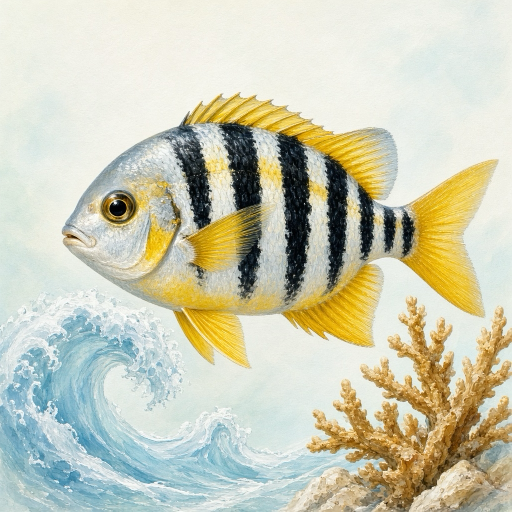 Ocean Life
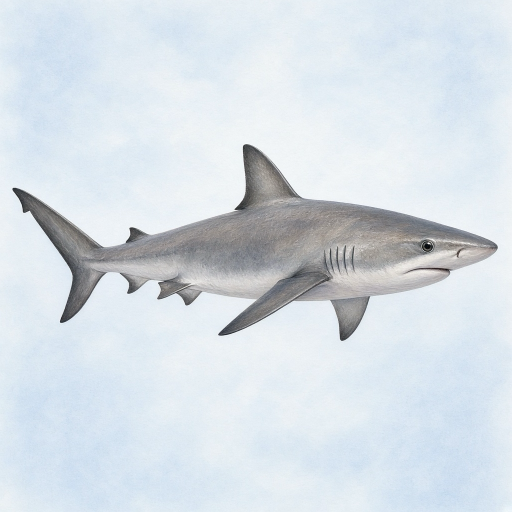 Sharks
450 million years of evolution made the ocean's most perfect predator.
4 reading levels: Rookie · Curious · Sharp · Expert
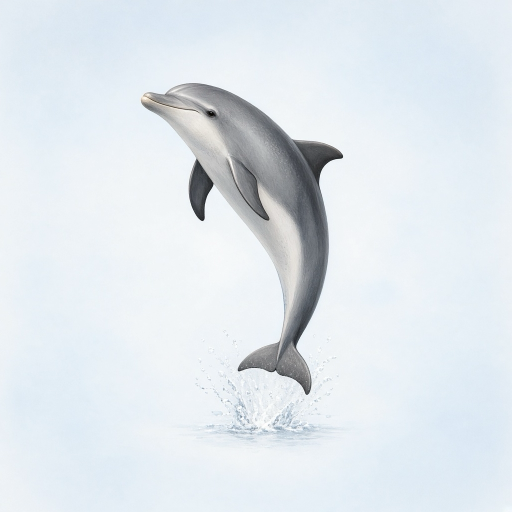 Dolphins
They sleep with one eye open, call each other by name, and might be smarter than we think.
4 reading levels: Rookie · Curious · Sharp · Expert
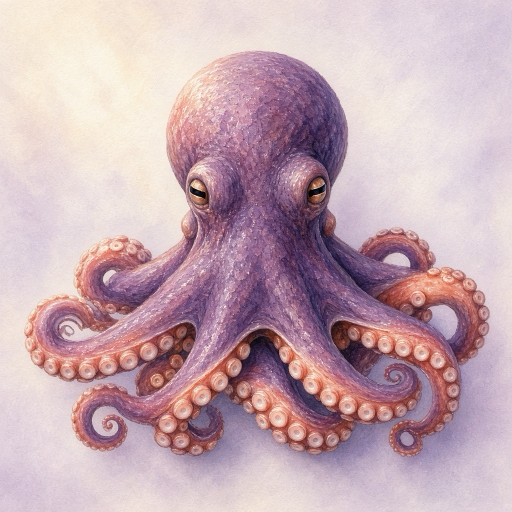 Octopuses
Three hearts, blue blood, nine brains, and the ability to squeeze through almost anything.
4 reading levels: Rookie · Curious · Sharp · Expert
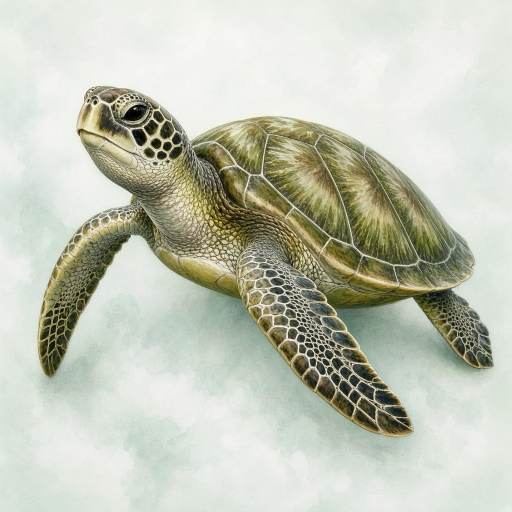 Sea Turtles
Seven living species, an internal compass tuned to Earth's magnetic field, and ancestors that swam with the dinosaurs.
4 reading levels: Rookie · Curious · Sharp · Expert
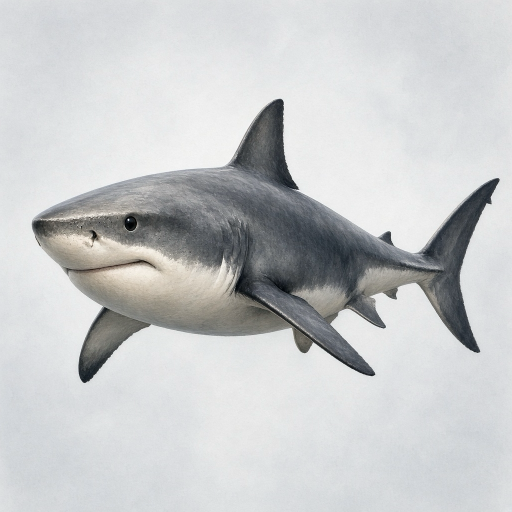 Great White Shark
The ocean's most famous predator: 20 feet (6 m) long, 300 serrated teeth, and a sense of smell that can detect one drop of blood in 25 gallons (100 L) of water.
4 reading levels: Rookie · Curious · Sharp · Expert

 Prehistoric Life
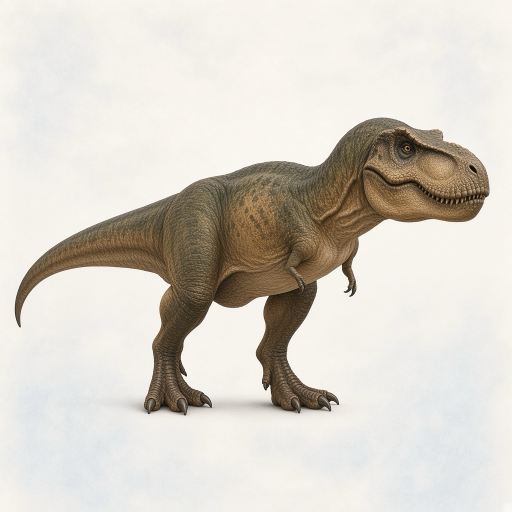 T-Rex
T-Rex
The king of the dinosaurs had feathers, a crushing bite, and hilariously tiny arms.
4 reading levels: Rookie · Curious · Sharp · Expert
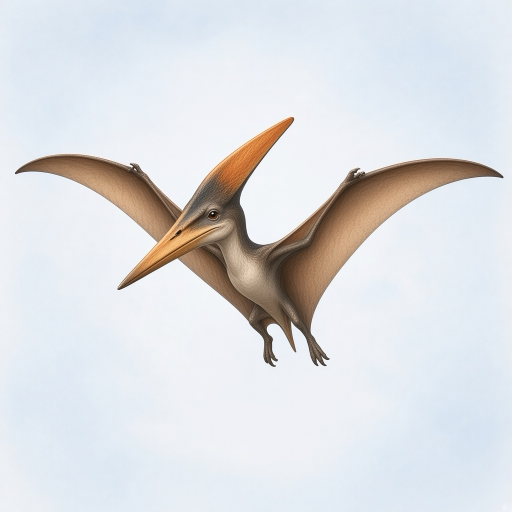 Flying Reptiles
Pterosaurs weren't dinosaurs. Some had wingspans wider than a fighter jet.
4 reading levels: Rookie · Curious · Sharp · Expert
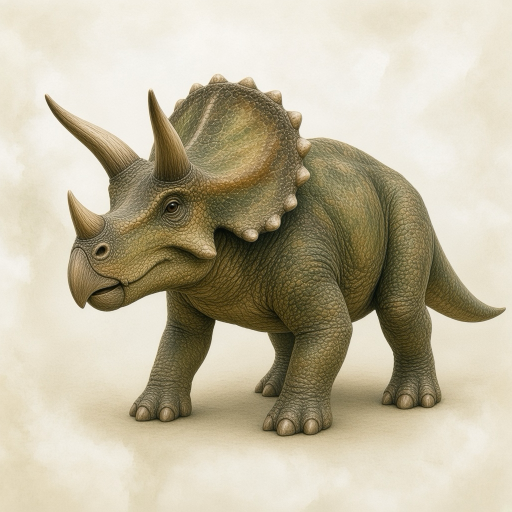 Triceratops
A three-horned, frilled plant-eater of the Late Cretaceous, one of the last dinosaurs before the asteroid impact and a frequent rival of T-Rex.
4 reading levels: Rookie · Curious · Sharp · Expert
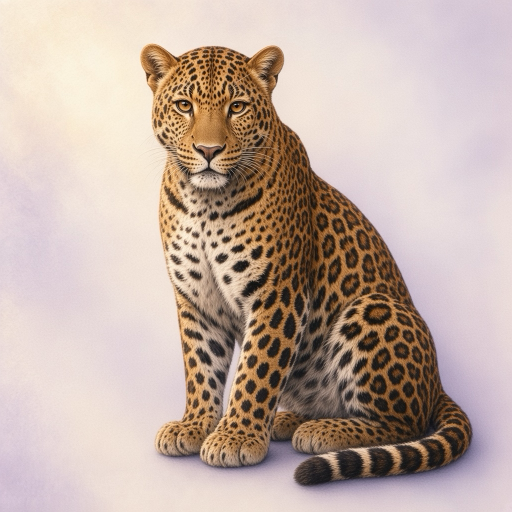 Big Cats
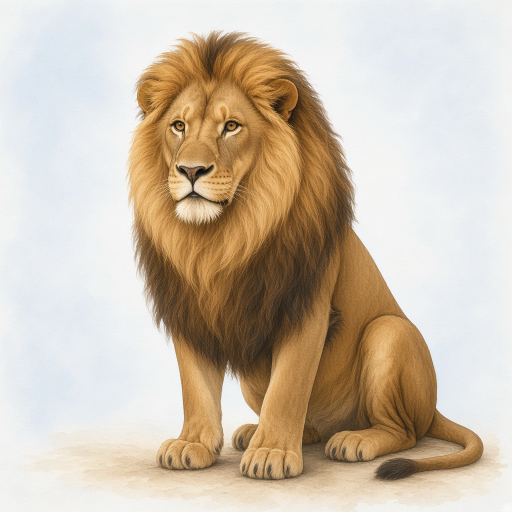 Lions
Lions
The only cats that live in social prides, with a roar that carries up to 5 miles (8 km).
4 reading levels: Rookie · Curious · Sharp · Expert
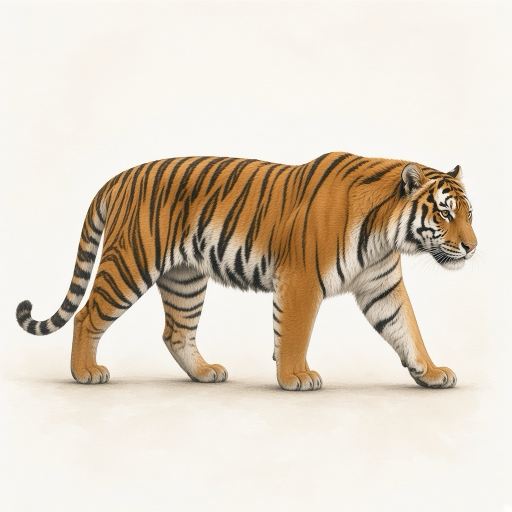 Tigers
The largest cat species on Earth, weighing up to 660 pounds (300 kg), with stripe patterns as unique as human fingerprints.
4 reading levels: Rookie · Curious · Sharp · Expert
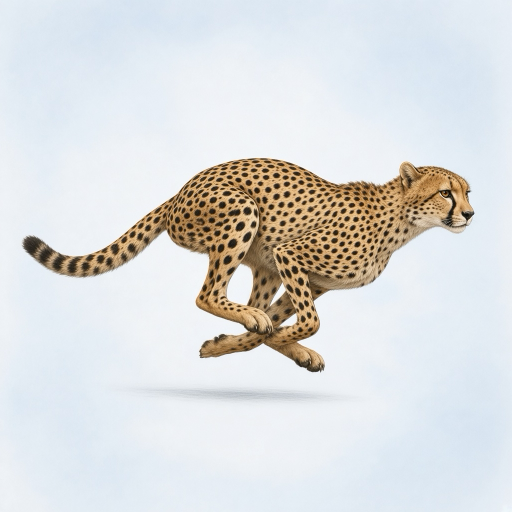 Cheetahs
The fastest land animal on Earth, reaching 70 mph (113 km/h) in short bursts, built for speed with a lightweight frame, a flexible spine, and semi-retractable claws.
4 reading levels: Rookie · Curious · Sharp · Expert
 Reptiles & Amphibians
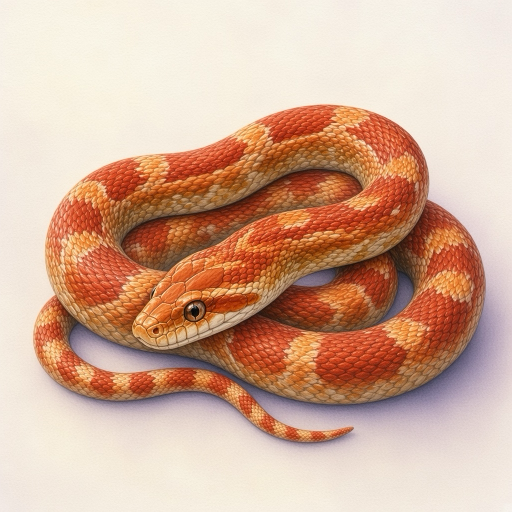 Snakes
Limbless hunters that smell with their tongues, swallow prey whole, and number more than 3,000 species worldwide.
4 reading levels: Rookie · Curious · Sharp · Expert
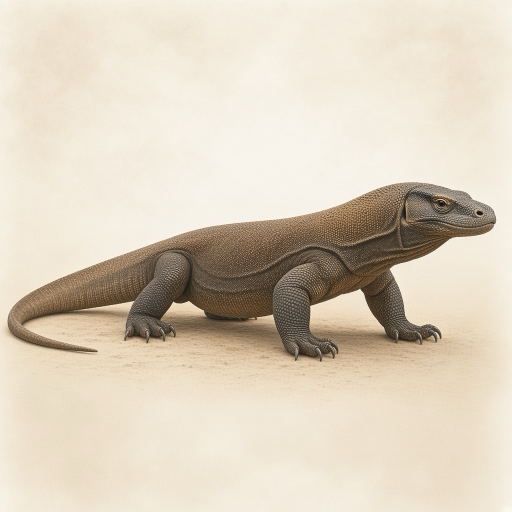 Komodo Dragon
The largest living lizard, a 10-foot (3 m) Indonesian predator with serrated teeth and venom glands that let it take down prey as large as deer, pigs, and water buffalo.
4 reading levels: Rookie · Curious · Sharp · Expert
 Science & Discovery
 Space & Astronomy
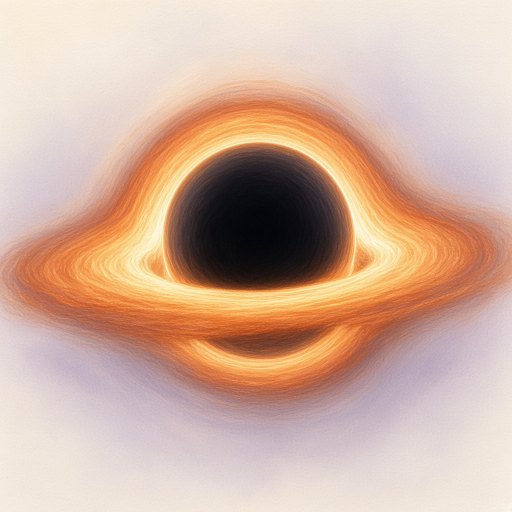 Black Holes
Where gravity is so strong that not even light can escape.
4 reading levels: Rookie · Curious · Sharp · Expert
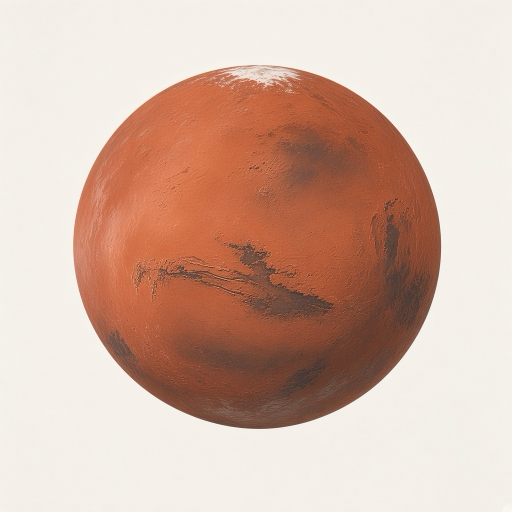 Mars
Mars
The Red Planet has the tallest mountain and deepest canyon in the solar system.
4 reading levels: Rookie · Curious · Sharp · Expert
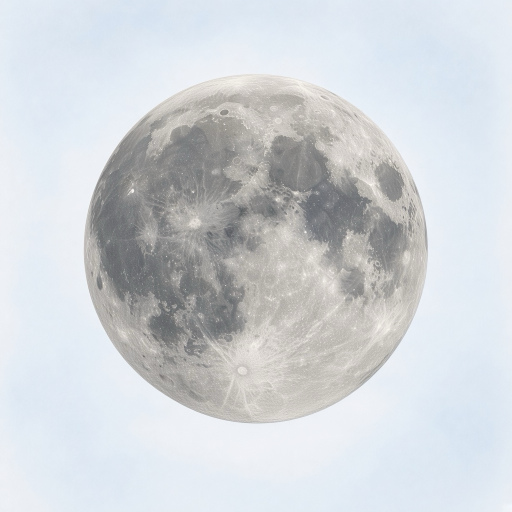 The Moon
Footprints there will last 100 million years, because there's no wind to blow them away.
4 reading levels: Rookie · Curious · Sharp · Expert
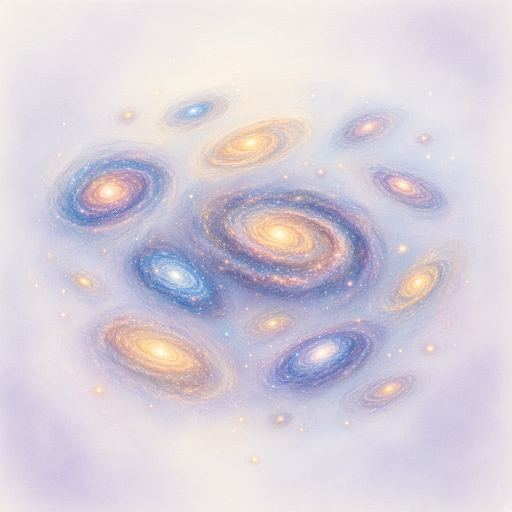 The Visible Universe
93 billion light-years across, two trillion galaxies, and expanding faster than light.
4 reading levels: Rookie · Curious · Sharp · Expert
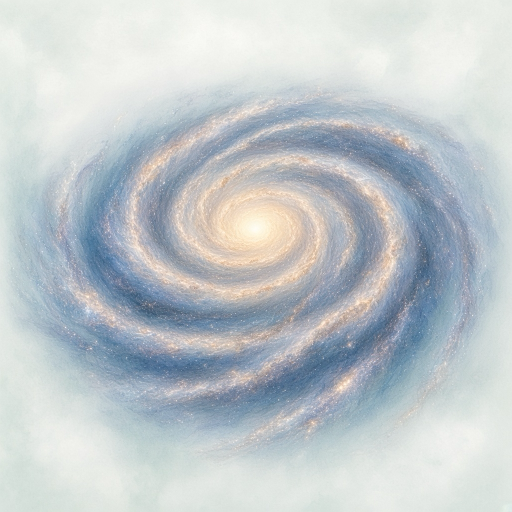 The Milky Way Galaxy
Our home galaxy: 100,000 light-years across, hundreds of billions of stars, and a supermassive black hole at its heart.
4 reading levels: Rookie · Curious · Sharp · Expert
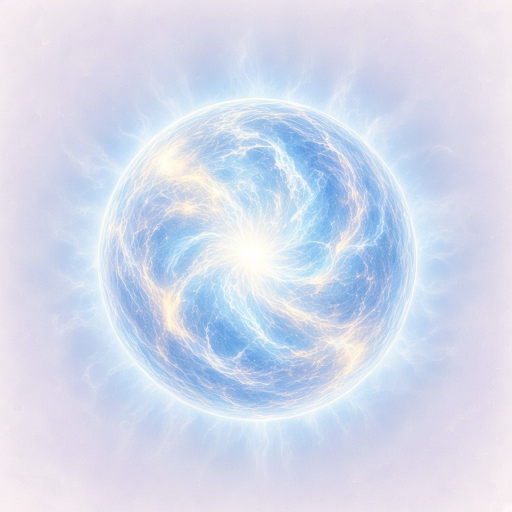 Stars
Stars
Born in nebulae, fusing 1.3 trillion pounds (600 billion kg) of hydrogen per second, dying as white dwarfs, neutron stars, or black holes. The engines of the universe.
4 reading levels: Rookie · Curious · Sharp · Expert
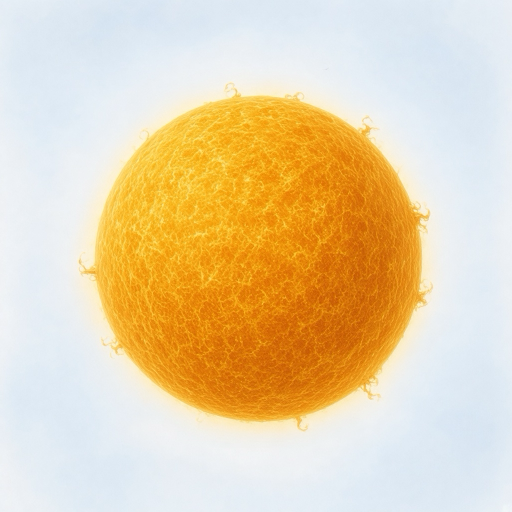 The Sun
A G2V yellow dwarf 93 million miles away, fusing 600 million tons of hydrogen every second. Our local star, and the source of nearly all of Earth's energy.
4 reading levels: Rookie · Curious · Sharp · Expert
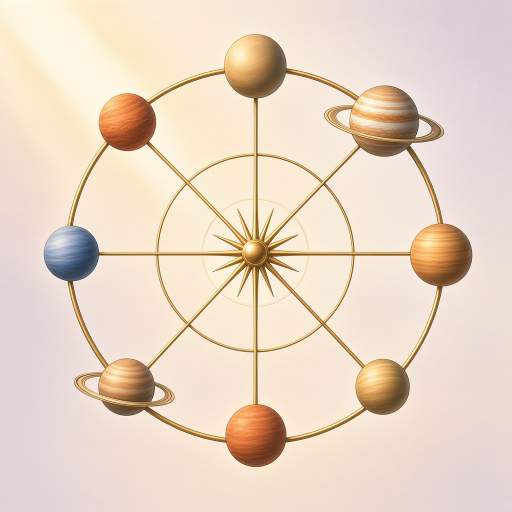 Solar System
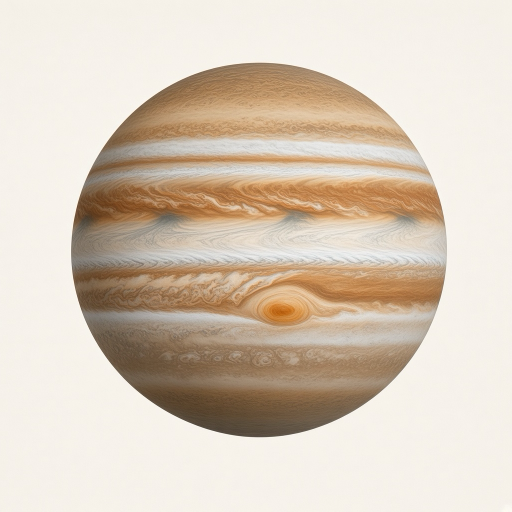 Jupiter
The largest planet in the solar system: a giant ball of gas with a storm wider than Earth that has raged for centuries, plus dozens of moons.
4 reading levels: Rookie · Curious · Sharp · Expert
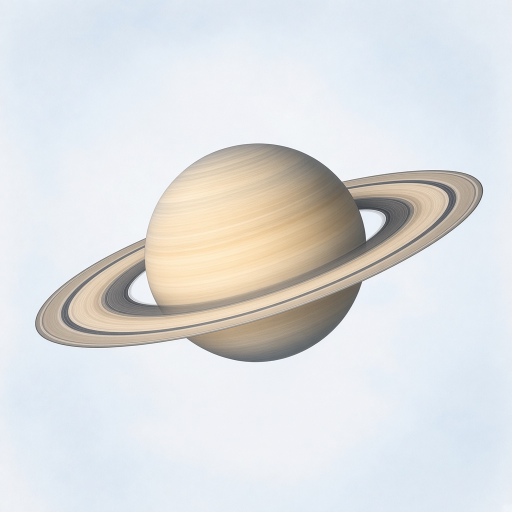 Saturn
The solar system's second-largest planet, famous for its bright rings of ice and rock and for having more known moons than any other planet.
4 reading levels: Rookie · Curious · Sharp · Expert
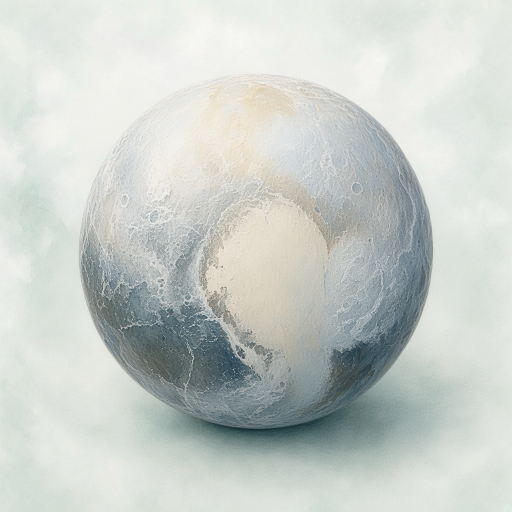 Pluto
Pluto
The most famous dwarf planet: a small, icy world in the Kuiper Belt with a heart-shaped glacier, five moons, and a 248-year orbit around the Sun.
4 reading levels: Rookie · Curious · Sharp · Expert
 Human Body
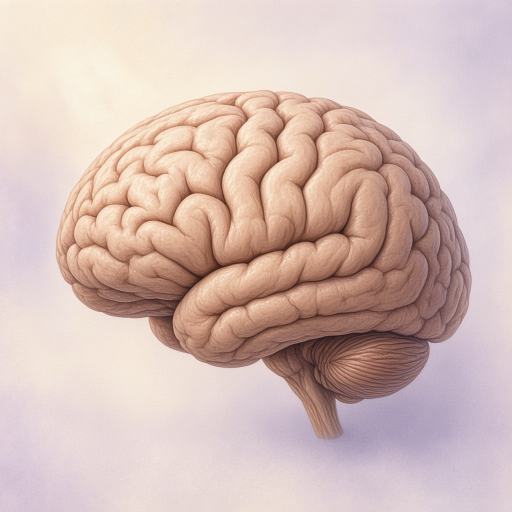 The Brain
100 billion neurons, unlimited storage capacity, and it uses more energy than any other organ.
4 reading levels: Rookie · Curious · Sharp · Expert
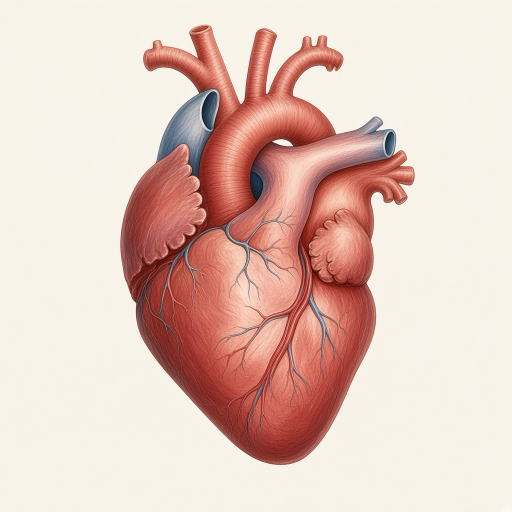 The Heart
It beats 100,000 times a day and pumps enough blood to fill a swimming pool every week.
4 reading levels: Rookie · Curious · Sharp · Expert
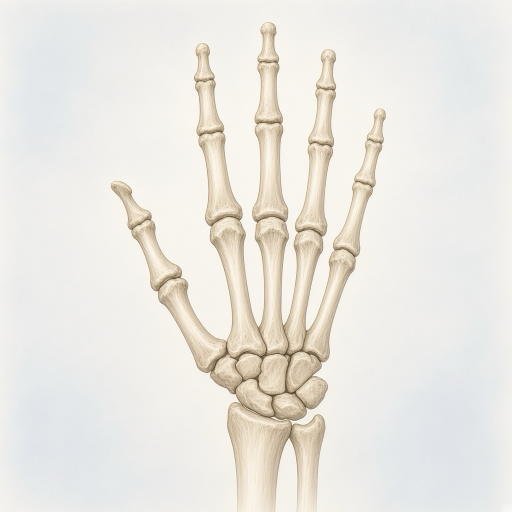 Bones & Skeleton
You were born with 300 bones, but adults only have 206. Where did the others go?
4 reading levels: Rookie · Curious · Sharp · Expert
 Sleep & Dreams
Why we spend a third of our lives asleep: the stages of sleep, the science of REM dreaming, and what the brain does while the body rests.
4 reading levels: Rookie · Curious · Sharp · Expert
 Physics & Particles
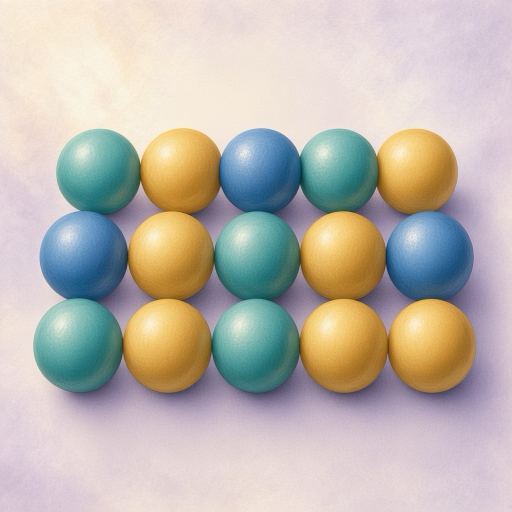 The Standard Model
Seventeen fundamental particles describe everything you've ever seen, touched, or breathed.
4 reading levels: Rookie · Curious · Sharp · Expert
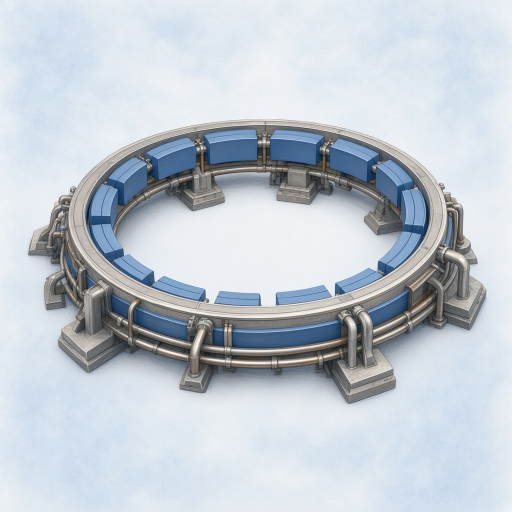 CERN & the LHC
A 27 km ring under France and Switzerland where protons collide at 99.9999991% the speed of light.
4 reading levels: Rookie · Curious · Sharp · Expert
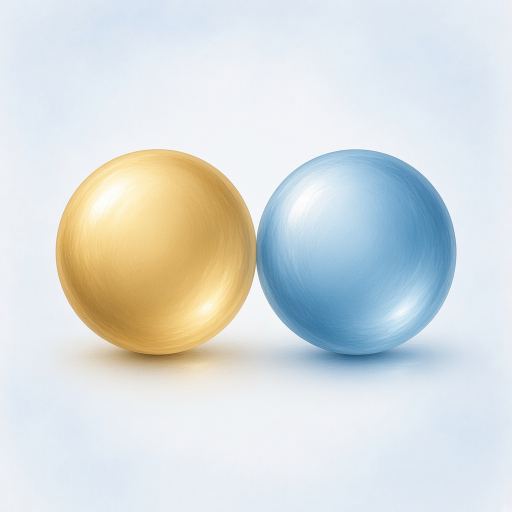 Matter & Antimatter
Every particle has an evil twin, and the universe somehow ended up with more of one than the other.
4 reading levels: Rookie · Curious · Sharp · Expert
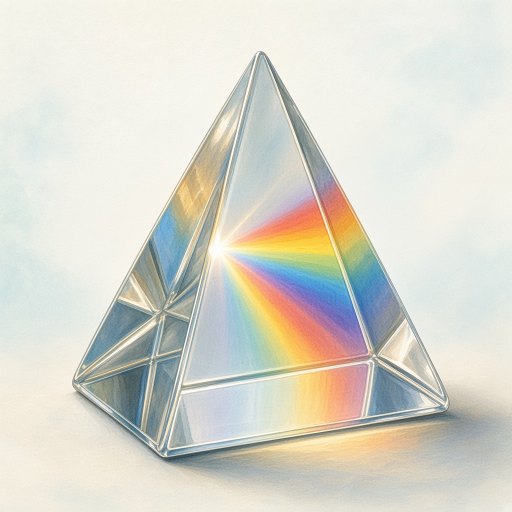 The Speed of Light
299,792,458 meters per second is more than a speed limit. It's the cosmic rule nothing with mass can break.
4 reading levels: Rookie · Curious · Sharp · Expert
 Relativity & Motion
Bounce a tennis ball. By the time it lands, you've moved millions of miles. Welcome to reference frames.
4 reading levels: Rookie · Curious · Sharp · Expert
 Gravity & Gravitational Waves
Einstein bent spacetime. LIGO heard the ripples. The graviton, if it exists, has eluded every detector ever built.
4 reading levels: Rookie · Curious · Sharp · Expert
 The Nature of Mass
Atoms are 99.9999% empty space. 99% of your weight is binding energy. Mass is what energy looks like when it stops moving.
4 reading levels: Rookie · Curious · Sharp · Expert
 Quantum Mechanics
The framework that breaks classical intuition: wave-particle duality, uncertainty, entanglement, and the strange machinery that makes the universe possible.
4 reading levels: Rookie · Curious · Sharp · Expert
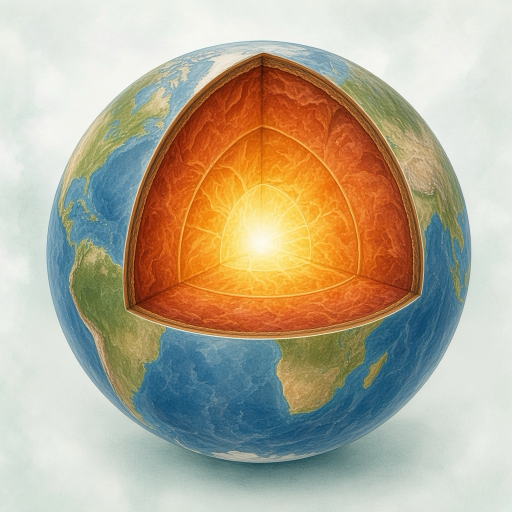 Earth Science
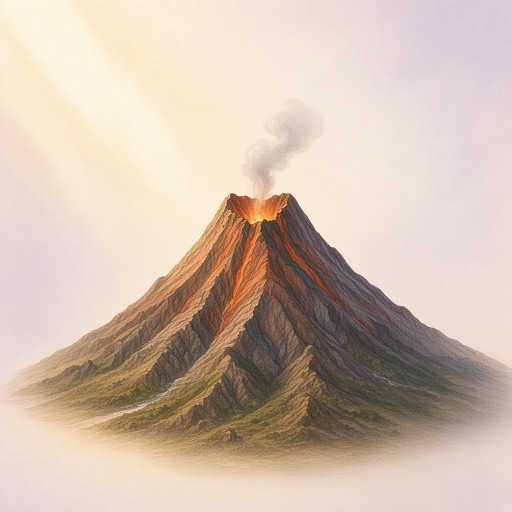 Volcanoes
There's a supervolcano under Yellowstone, and over 1,500 potentially active volcanoes worldwide.
4 reading levels: Rookie · Curious · Sharp · Expert
 Lightning
Five times hotter than the surface of the Sun, and it strikes Earth 100 times every second.
4 reading levels: Rookie · Curious · Sharp · Expert
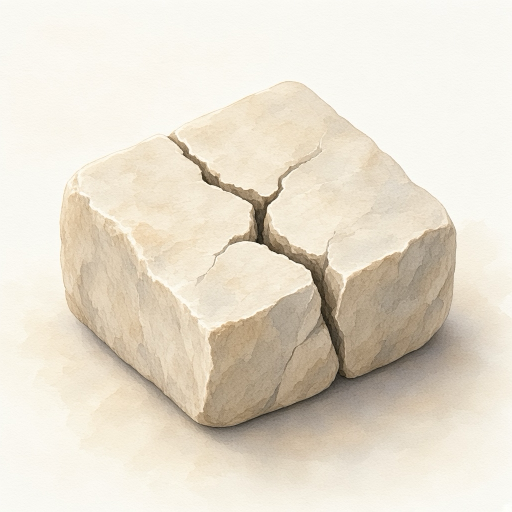 Earthquakes
Earth's crust is broken into a dozen tectonic plates that grind past each other, releasing energy that has reshaped continents and toppled cities for millions of years.
4 reading levels: Rookie · Curious · Sharp · Expert
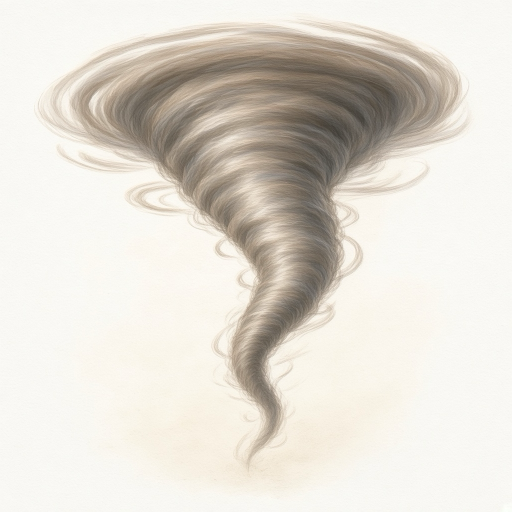 Tornadoes
Violently rotating columns of air that reach from a thunderstorm down to the ground, packing the fastest winds on Earth.
4 reading levels: Rookie · Curious · Sharp · Expert
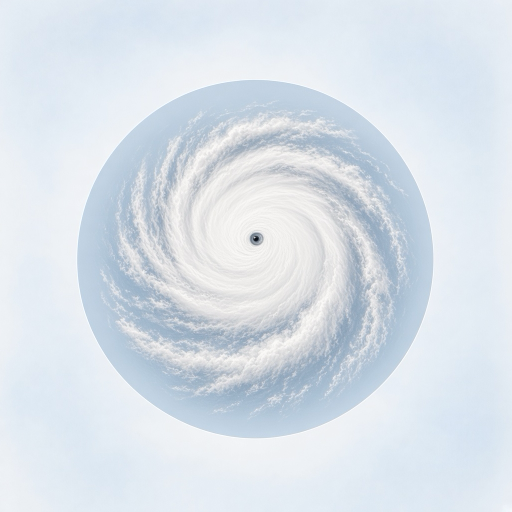 Hurricanes
Giant rotating storms born over warm tropical oceans, with a calm eye at the center, sustained winds above 74 mph (119 km/h), and the power to flood entire coastlines.
4 reading levels: Rookie · Curious · Sharp · Expert

 History & Civilization
 Ancient World
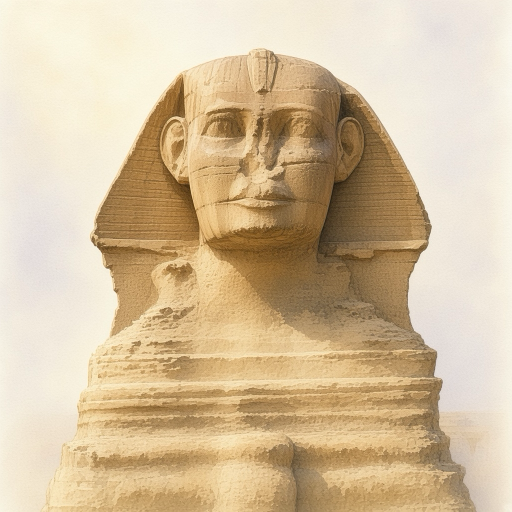 Ancient Egypt
The Great Pyramid was the tallest building on Earth for 3,800 years.
4 reading levels: Rookie · Curious · Sharp · Expert
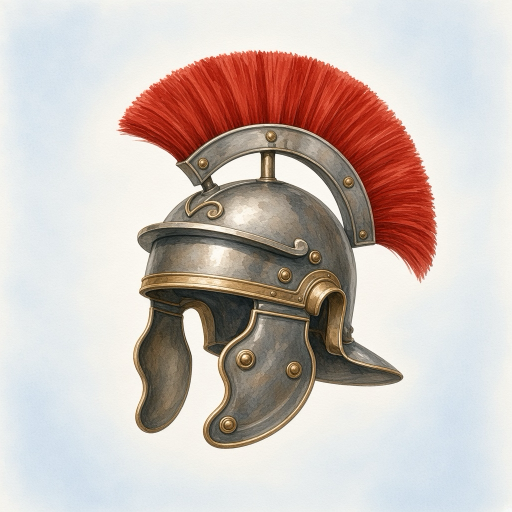 Roman Empire
They had concrete better than ours, heated floors, and a road network that lasted millennia.
4 reading levels: Rookie · Curious · Sharp · Expert
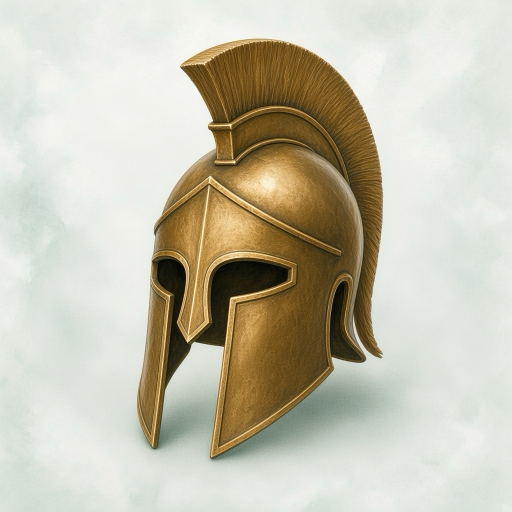 Ancient Greece
Hundreds of independent city-states that gave us democracy, philosophy, the Olympic Games, and the alphabet behind these very words.
4 reading levels: Rookie · Curious · Sharp · Expert
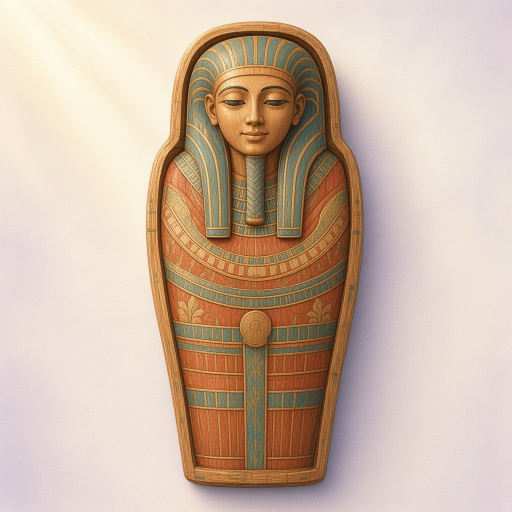 Mummies
Egyptian embalmers spent 70 days drying bodies in natron salt and wrapping them in 4,000 yards of linen, but mummification has been practiced on every inhabited continent.
4 reading levels: Rookie · Curious · Sharp · Expert
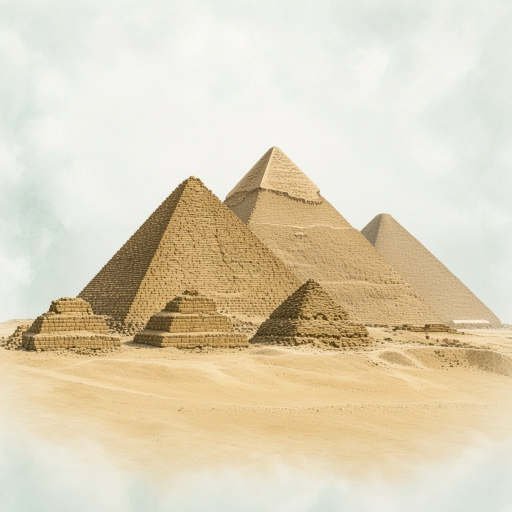 Pyramids
More than 100 royal pyramids rise from Egypt's deserts, and the Great Pyramid stood as the tallest structure on Earth for nearly 4,000 years.
4 reading levels: Rookie · Curious · Sharp · Expert


 Geography & Places
 Extreme Environments
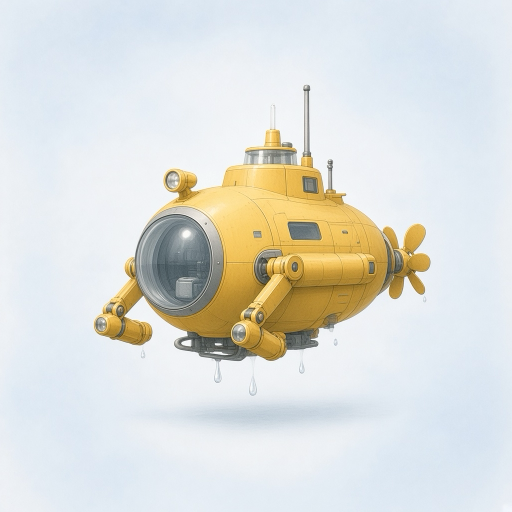 Deepest Oceans
The Mariana Trench is so deep that if you dropped Mount Everest into it, the peak would still be underwater.
4 reading levels: Rookie · Curious · Sharp · Expert
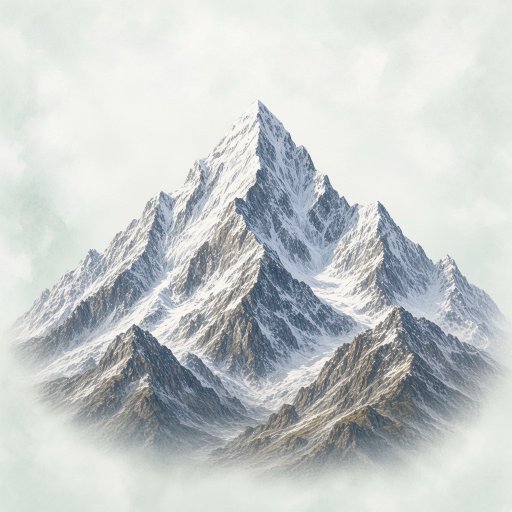 Tallest Mountains
Everest isn't actually the tallest mountain. It depends on how you measure.
4 reading levels: Rookie · Curious · Sharp · Expert
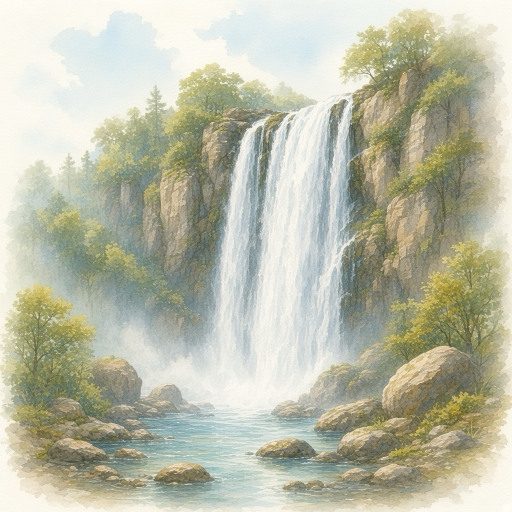 Amazing Places
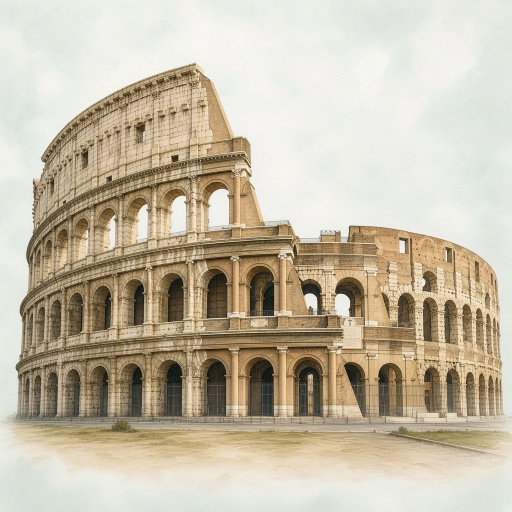 Wonders of the World
Only one of the original Seven Wonders still exists. Can you guess which?
4 reading levels: Rookie · Curious · Sharp · Expert
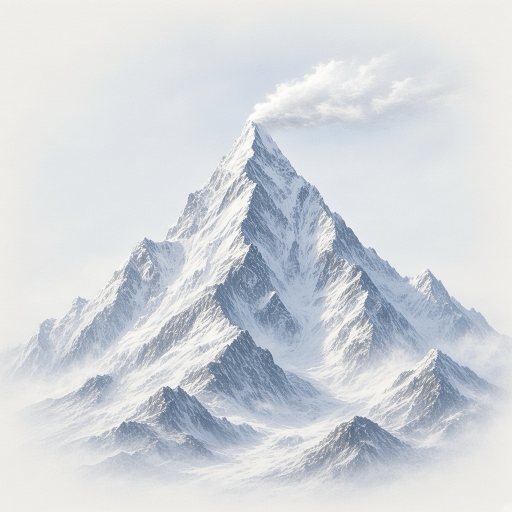 Mount Everest
29,031.69 ft (8,848.86 m) above sea level on the Nepal-China border, first summited in 1953, growing about 4 mm taller each year, and burial place of more than 340 climbers.
4 reading levels: Rookie · Curious · Sharp · Expert
 Continents & World Geography
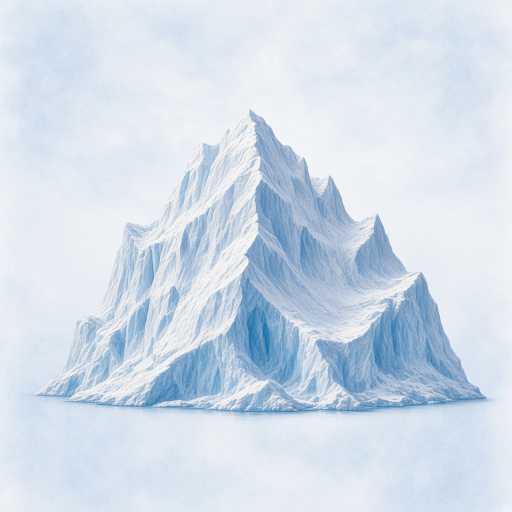 Antarctica
Earth's coldest, windiest, and driest continent, a frozen desert holding about 90 percent of the world's ice and 70 percent of its fresh water.
4 reading levels: Rookie · Curious · Sharp · Expert
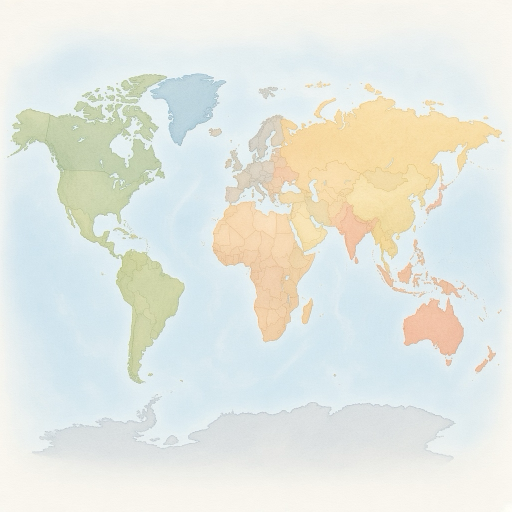 The Seven Continents
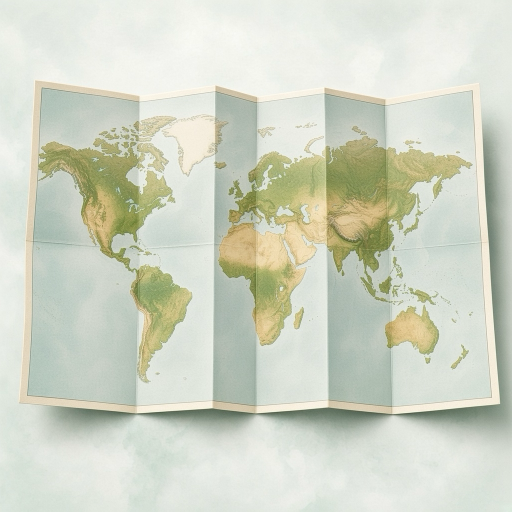
Earth's seven great landmasses, from sprawling Asia to frozen Antarctica, each with its own record-setting extremes.
4 reading levels: Rookie · Curious · Sharp · Expert

 Food & Drink
 Sweet Science
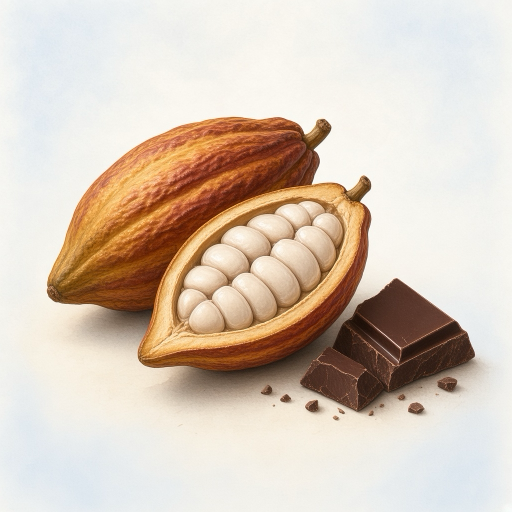 Chocolate
It was currency, medicine, and a bitter drink before it was ever a candy bar.
4 reading levels: Rookie · Curious · Sharp · Expert
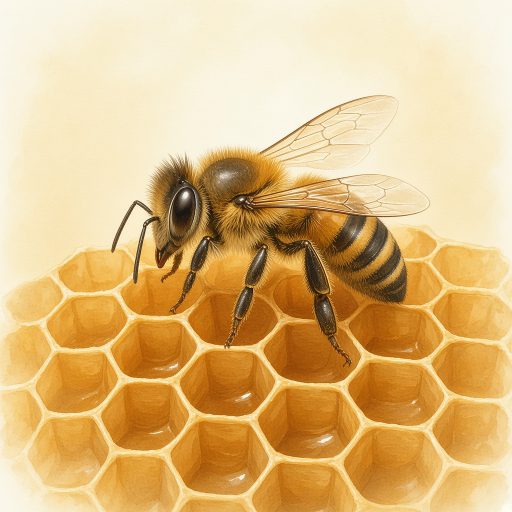 Honey & Bees
Honey never expires. Archaeologists found 3,000-year-old honey that's still edible.
4 reading levels: Rookie · Curious · Sharp · Expert
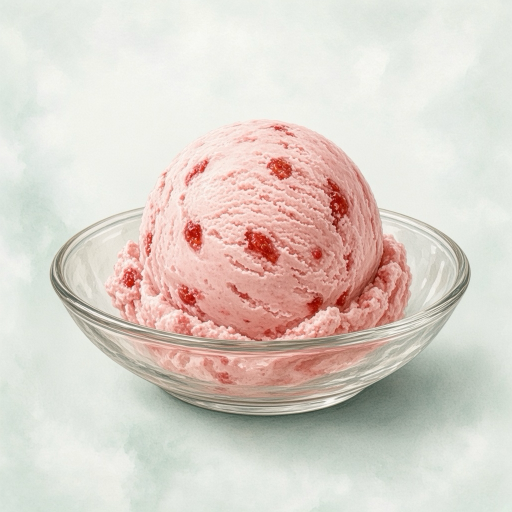 Ice Cream
From ancient Persian ice pits to a 24-ton record sundae, the surprising science and history of the world's favorite frozen dessert.
4 reading levels: Rookie · Curious · Sharp · Expert
 Ingredients & Origins
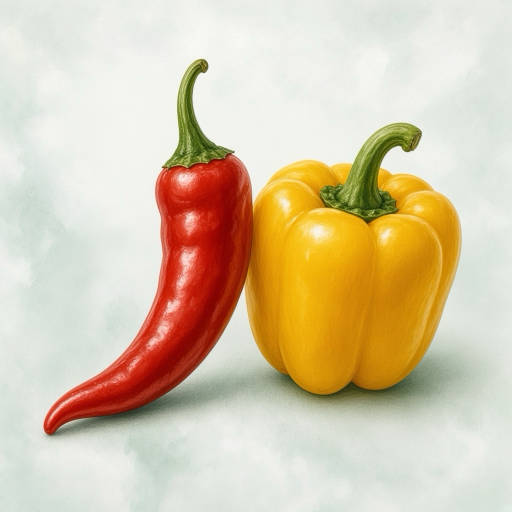 Hot Peppers & Spice
The world's hottest pepper can literally make you hallucinate.
4 reading levels: Rookie · Curious · Sharp · Expert
 Coffee
From a 15th-century Yemeni Sufi monastery to 2 billion cups a day, the bean that fueled empires, revolutions, and the modern workday.
4 reading levels: Rookie · Curious · Sharp · Expert
 Arts & Entertainment
 Sports
 Olympic Records
From ancient Greece to modern Games, an authoritative tour through Olympic history's strangest records.
4 reading levels: Rookie · Curious · Sharp · Expert
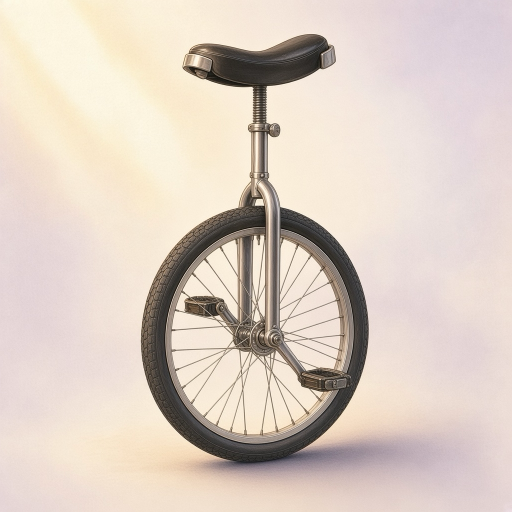 Unusual Sports
Cheese rolling, wife carrying, and chess boxing. The world's strangest competitions.
4 reading levels: Rookie · Curious · Sharp · Expert
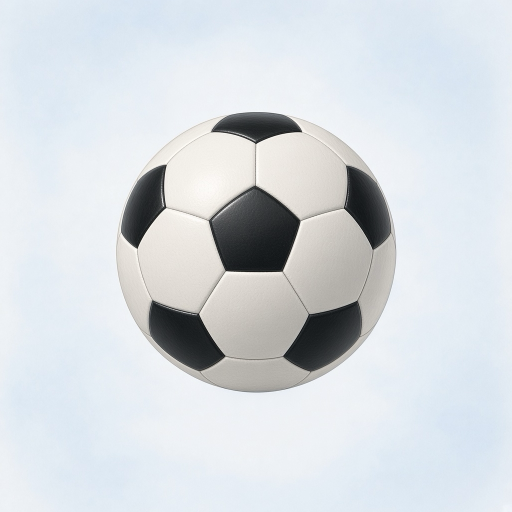 Soccer / Football
The world's most popular sport: 4 billion fans, 8 World Cup-winning nations, and a 173,000-strong crowd at the 1950 final in Rio.
4 reading levels: Rookie · Curious · Sharp · Expert
 Basketball
Invented by James Naismith in December 1891 with peach baskets and a soccer ball. Today, an Olympic sport with over 450 million players worldwide.
4 reading levels: Rookie · Curious · Sharp · Expert
 American Football
32 NFL teams, an annual Super Bowl watched by tens of millions, and a sport whose 11-man rules go back to Walter Camp at Yale in 1880.
4 reading levels: Rookie · Curious · Sharp · Expert

 Vehicles & Machines

 Technology & Innovation
 Energy & Engineering
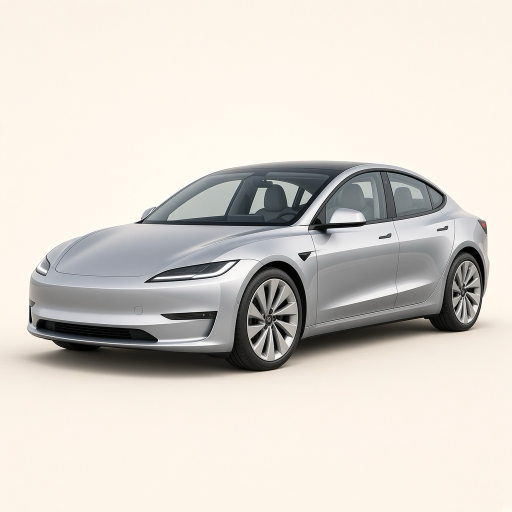 Tesla
Tesla
The American electric car maker founded in 2003 and named after inventor Nikola Tesla, whose Roadster, Model S, and Supercharger network pushed the electric car from niche experiment to mass market.
4 reading levels: Rookie · Curious · Sharp · Expert
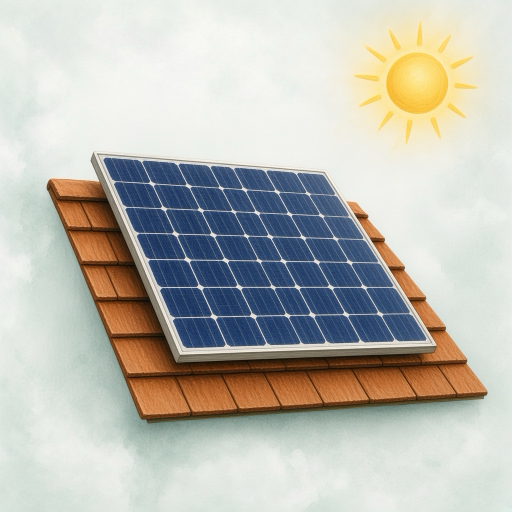 Solar Power
Turning sunlight into electricity, from an 1839 laboratory curiosity to the cheapest source of new electricity in history and the fastest-growing energy technology on Earth.
4 reading levels: Rookie · Curious · Sharp · Expert
 Skyscrapers
The steel frames, safety elevators, and wind engineering that let buildings climb from ten stories in 1885 to more than half a mile in the air.
4 reading levels: Rookie · Curious · Sharp · Expert
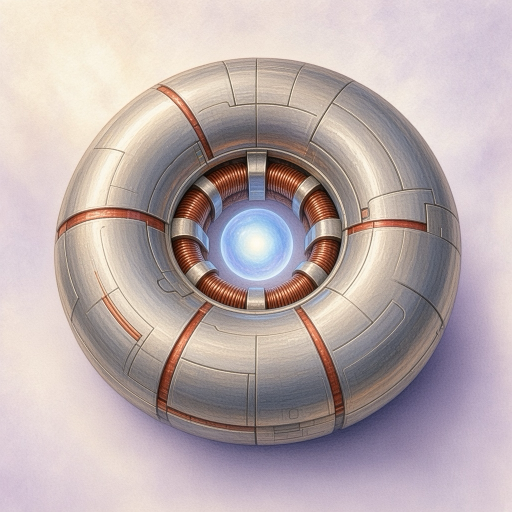 Nuclear Fusion
Joining light atomic nuclei to release energy, the reaction that powers the Sun and the one engineers have spent seventy years trying to run on Earth.
4 reading levels: Rookie · Curious · Sharp · Expert
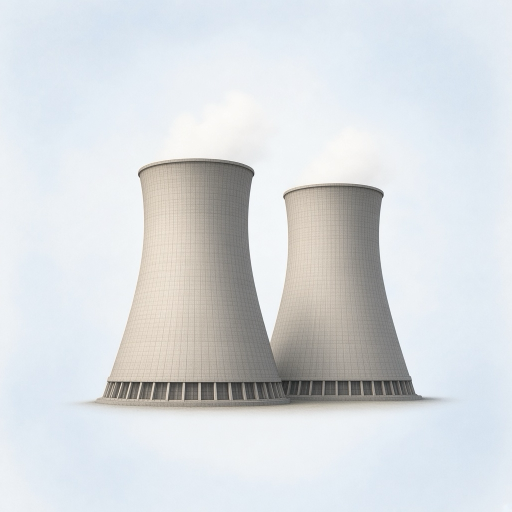 Nuclear Power
Splitting uranium atoms to boil water and spin turbines, the technology that began under a Chicago sports stand in 1942 and now supplies about a tenth of the world's electricity.
4 reading levels: Rookie · Curious · Sharp · Expert

 AI & Robotics
 xAI
xAI
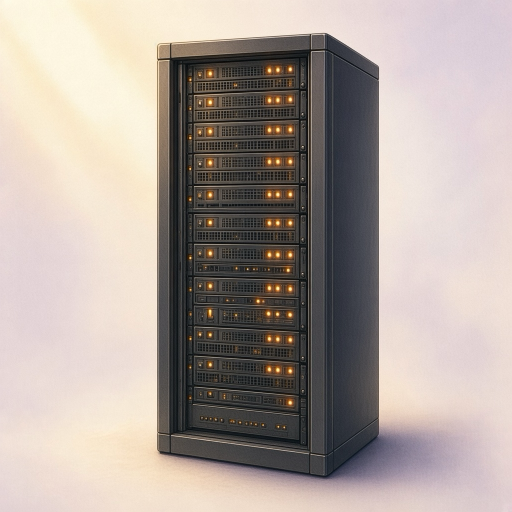
The artificial intelligence company Elon Musk founded in 2023, maker of the Grok chatbot and the Colossus supercomputer, acquired by SpaceX in 2026 and renamed SpaceXAI.
4 reading levels: Rookie · Curious · Sharp · Expert
 Robots
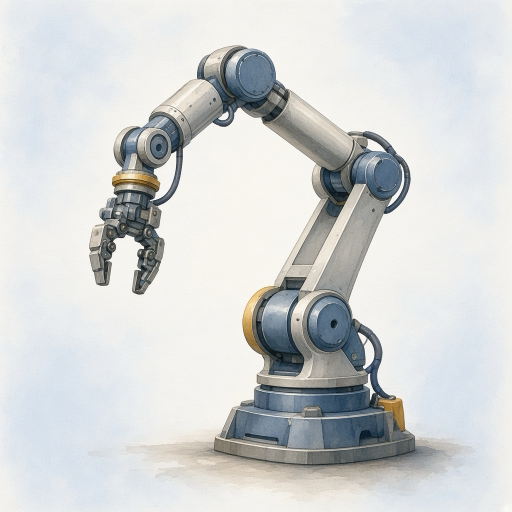
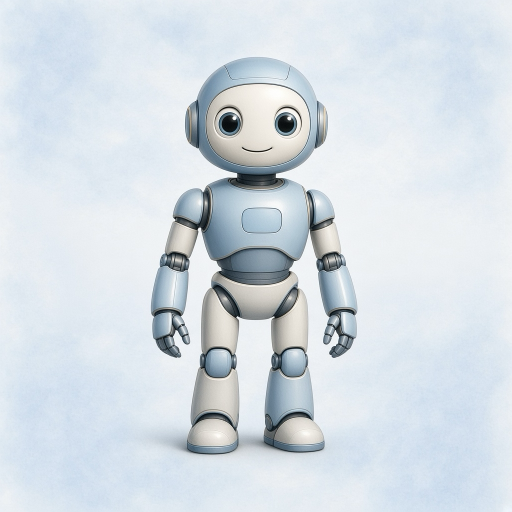
Machines that sense, decide, and act on their own, from the first factory arm installed in 1961 to surgical systems, robot vacuums, and the helicopter that flew on Mars.
4 reading levels: Rookie · Curious · Sharp · Expert
 Artificial Intelligence
The field that began at a 1956 summer workshop and now writes text, recognizes images, and folds proteins, along with the long winters and hard limits along the way.
4 reading levels: Rookie · Curious · Sharp · Expert