Science & Discovery Facts
Mind-bending facts about the universe, the human body, and everything in between.
 Space & Astronomy
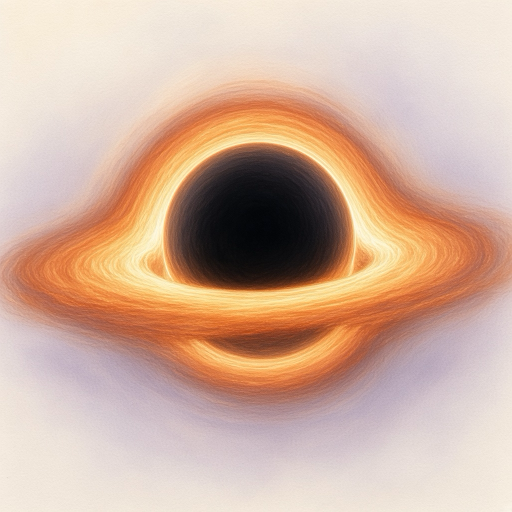 Black Holes
Where gravity is so strong that not even light can escape.
4 reading levels: Rookie · Curious · Sharp · Expert
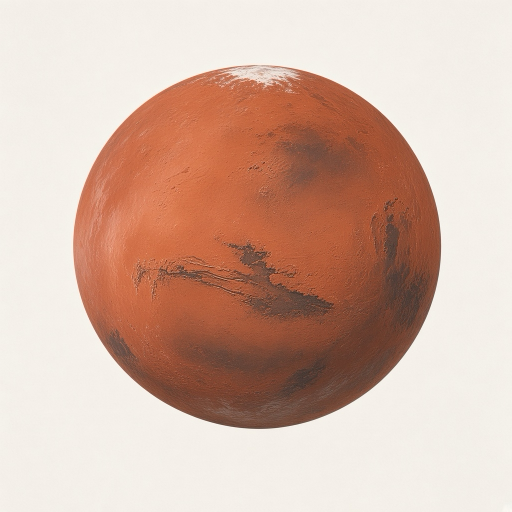 Mars
The Red Planet has the tallest mountain and deepest canyon in the solar system.
4 reading levels: Rookie · Curious · Sharp · Expert
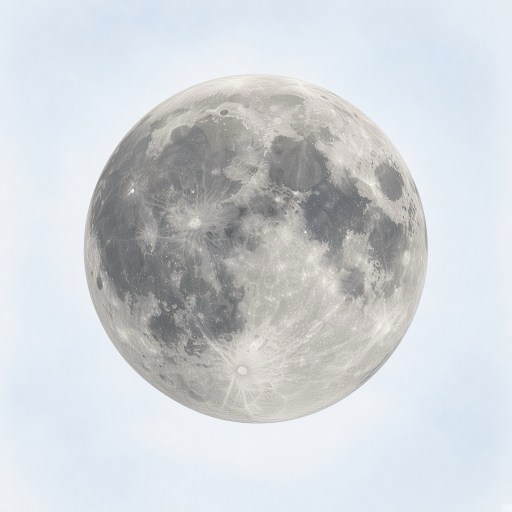 The Moon
Footprints there will last 100 million years, because there's no wind to blow them away.
4 reading levels: Rookie · Curious · Sharp · Expert
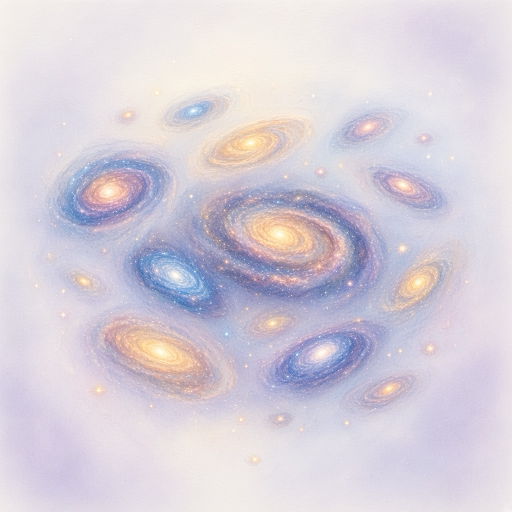 The Visible Universe
93 billion light-years across, two trillion galaxies, and expanding faster than light.
4 reading levels: Rookie · Curious · Sharp · Expert
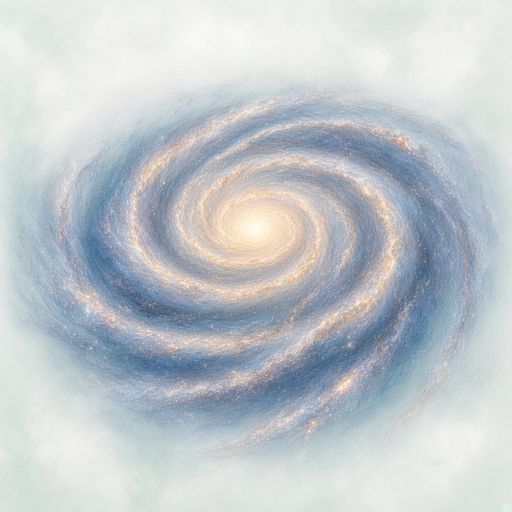 The Milky Way Galaxy
Our home galaxy: 100,000 light-years across, hundreds of billions of stars, and a supermassive black hole at its heart.
4 reading levels: Rookie · Curious · Sharp · Expert
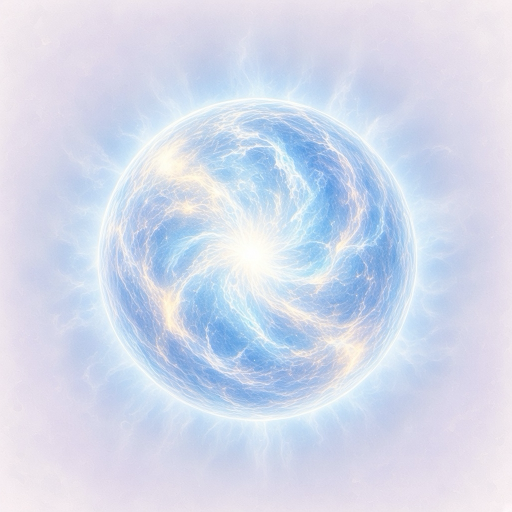 Stars
Born in nebulae, fusing 1.3 trillion pounds (600 billion kg) of hydrogen per second, dying as white dwarfs, neutron stars, or black holes. The engines of the universe.
4 reading levels: Rookie · Curious · Sharp · Expert
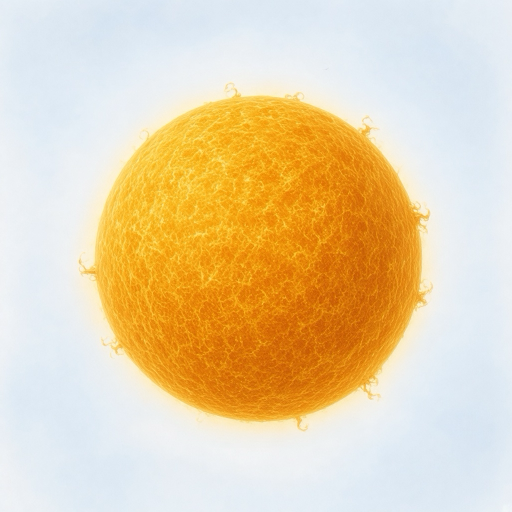 The Sun
A G2V yellow dwarf 93 million miles away, fusing 600 million tons of hydrogen every second. Our local star, and the source of nearly all of Earth's energy.
4 reading levels: Rookie · Curious · Sharp · Expert
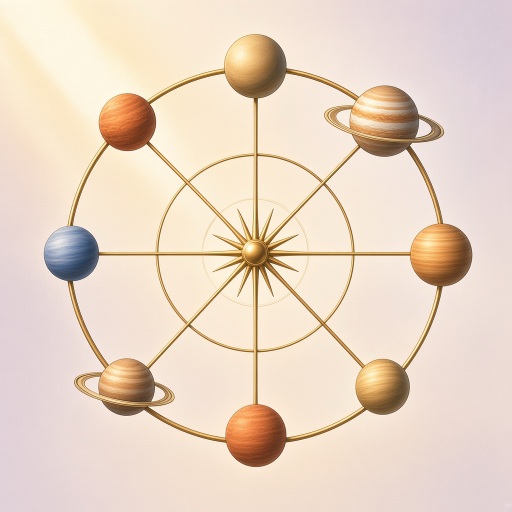 Solar System
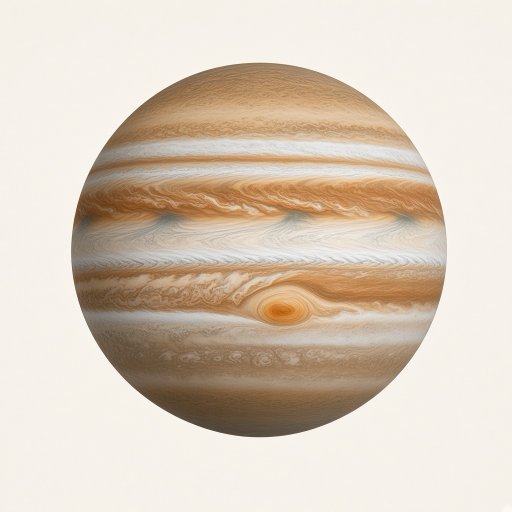 Jupiter
The largest planet in the solar system: a giant ball of gas with a storm wider than Earth that has raged for centuries, plus dozens of moons.
4 reading levels: Rookie · Curious · Sharp · Expert
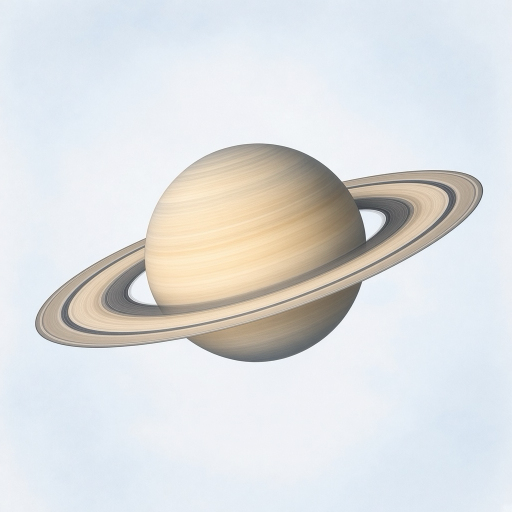 Saturn
The solar system's second-largest planet, famous for its bright rings of ice and rock and for having more known moons than any other planet.
4 reading levels: Rookie · Curious · Sharp · Expert
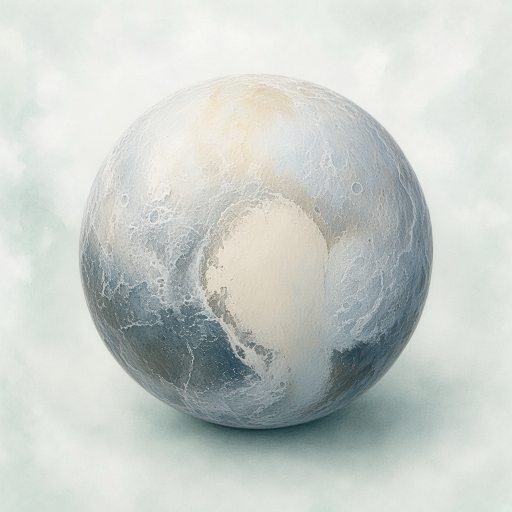 Pluto
The most famous dwarf planet: a small, icy world in the Kuiper Belt with a heart-shaped glacier, five moons, and a 248-year orbit around the Sun.
4 reading levels: Rookie · Curious · Sharp · Expert
 Human Body
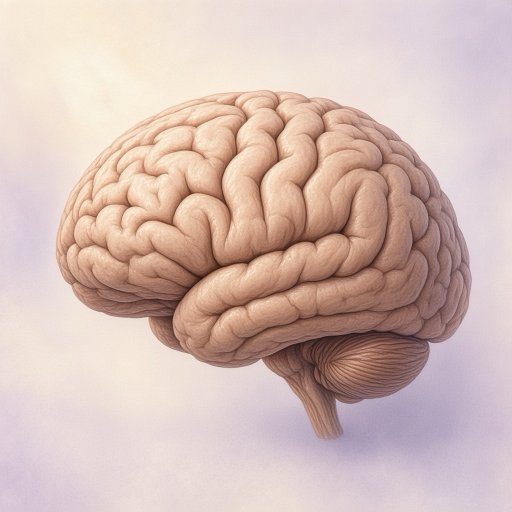 The Brain
100 billion neurons, unlimited storage capacity, and it uses more energy than any other organ.
4 reading levels: Rookie · Curious · Sharp · Expert
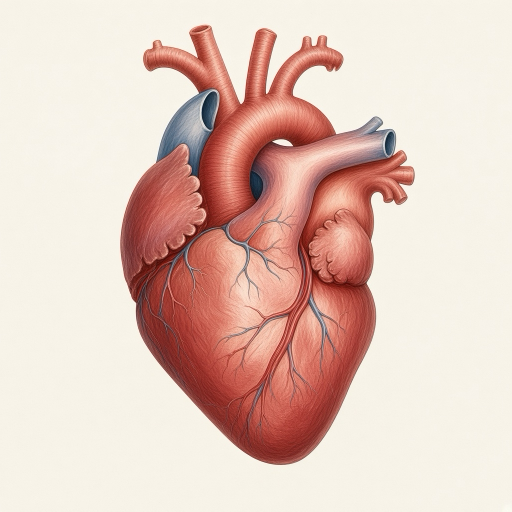 The Heart
It beats 100,000 times a day and pumps enough blood to fill a swimming pool every week.
4 reading levels: Rookie · Curious · Sharp · Expert
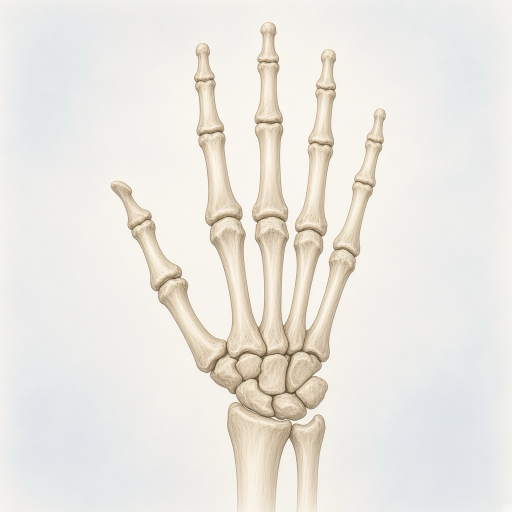 Bones & Skeleton
You were born with 300 bones, but adults only have 206. Where did the others go?
4 reading levels: Rookie · Curious · Sharp · Expert
 Sleep & Dreams
Why we spend a third of our lives asleep: the stages of sleep, the science of REM dreaming, and what the brain does while the body rests.
4 reading levels: Rookie · Curious · Sharp · Expert
 Physics & Particles
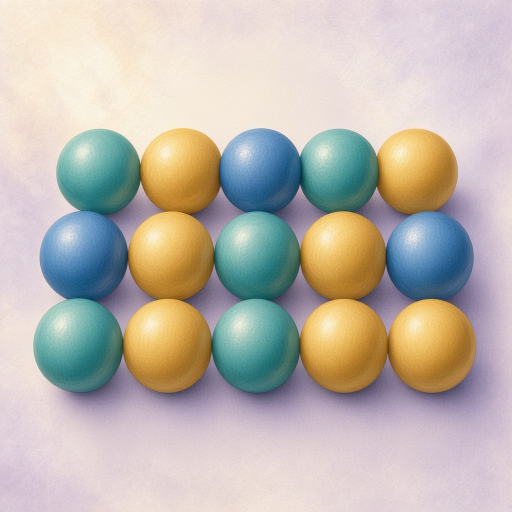 The Standard Model
Seventeen fundamental particles describe everything you've ever seen, touched, or breathed.
4 reading levels: Rookie · Curious · Sharp · Expert
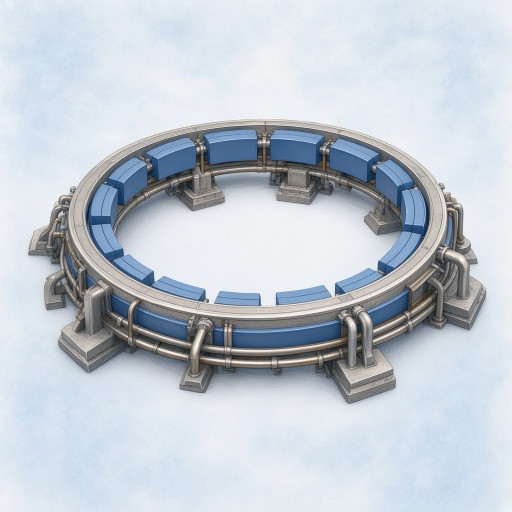 CERN & the LHC
A 27 km ring under France and Switzerland where protons collide at 99.9999991% the speed of light.
4 reading levels: Rookie · Curious · Sharp · Expert
 Matter & Antimatter
Every particle has an evil twin, and the universe somehow ended up with more of one than the other.
4 reading levels: Rookie · Curious · Sharp · Expert
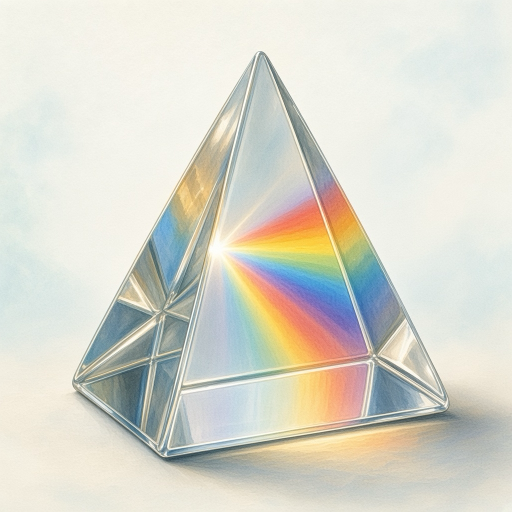 The Speed of Light
299,792,458 meters per second is more than a speed limit. It's the cosmic rule nothing with mass can break.
4 reading levels: Rookie · Curious · Sharp · Expert
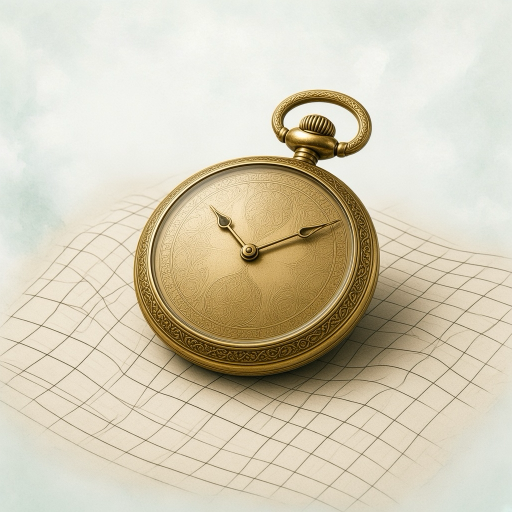 Relativity & Motion
Bounce a tennis ball. By the time it lands, you've moved millions of miles. Welcome to reference frames.
4 reading levels: Rookie · Curious · Sharp · Expert
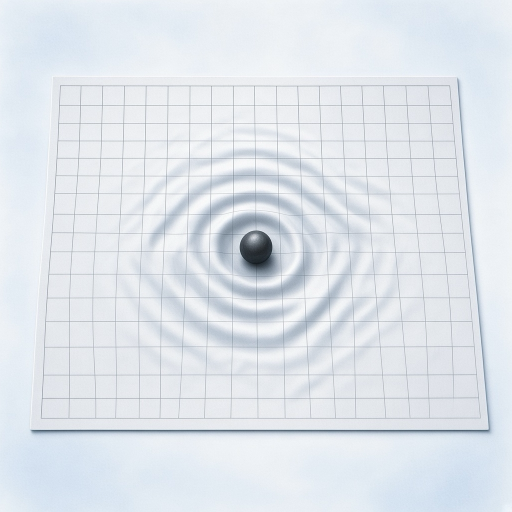 Gravity & Gravitational Waves
Einstein bent spacetime. LIGO heard the ripples. The graviton, if it exists, has eluded every detector ever built.
4 reading levels: Rookie · Curious · Sharp · Expert
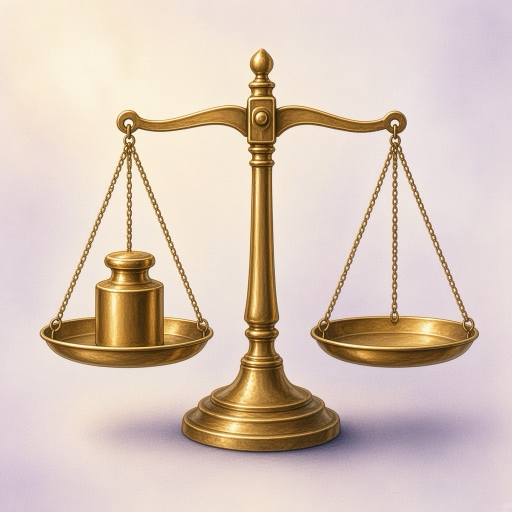 The Nature of Mass
Atoms are 99.9999% empty space. 99% of your weight is binding energy. Mass is what energy looks like when it stops moving.
4 reading levels: Rookie · Curious · Sharp · Expert
 Quantum Mechanics
The framework that breaks classical intuition: wave-particle duality, uncertainty, entanglement, and the strange machinery that makes the universe possible.
4 reading levels: Rookie · Curious · Sharp · Expert
 Earth Science
 Volcanoes
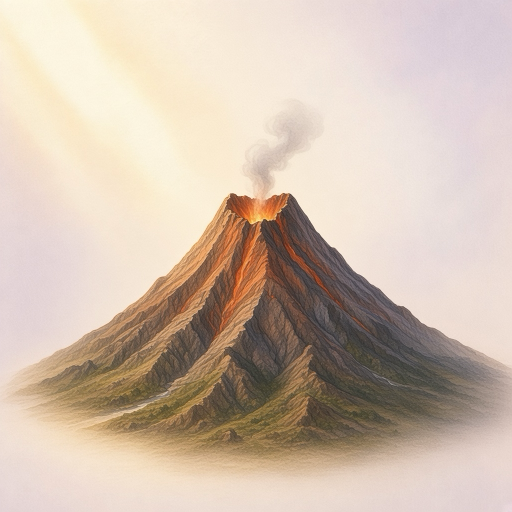
There's a supervolcano under Yellowstone, and over 1,500 potentially active volcanoes worldwide.
4 reading levels: Rookie · Curious · Sharp · Expert
 Lightning
Five times hotter than the surface of the Sun, and it strikes Earth 100 times every second.
4 reading levels: Rookie · Curious · Sharp · Expert
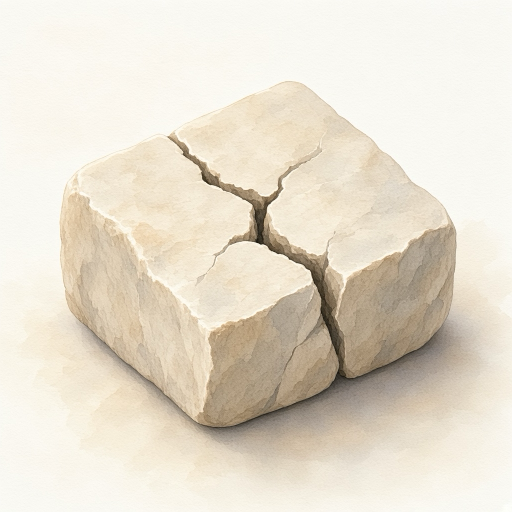 Earthquakes
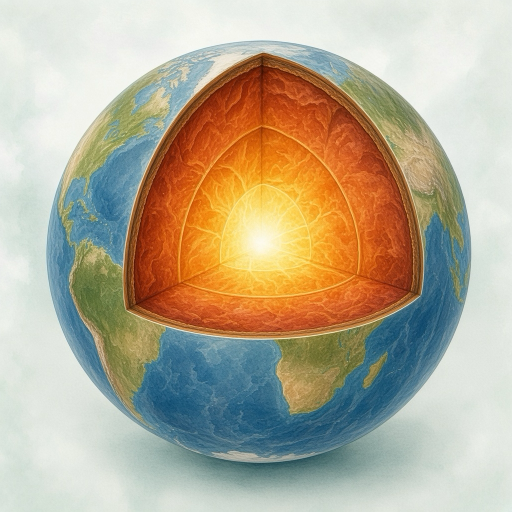
Earth's crust is broken into a dozen tectonic plates that grind past each other, releasing energy that has reshaped continents and toppled cities for millions of years.
4 reading levels: Rookie · Curious · Sharp · Expert
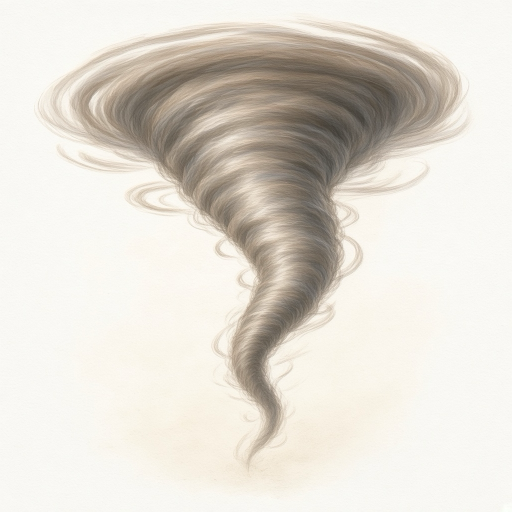 Tornadoes
Violently rotating columns of air that reach from a thunderstorm down to the ground, packing the fastest winds on Earth.
4 reading levels: Rookie · Curious · Sharp · Expert
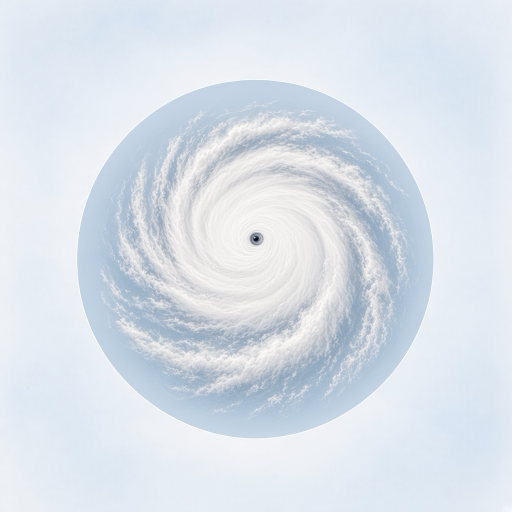 Hurricanes
Giant rotating storms born over warm tropical oceans, with a calm eye at the center, sustained winds above 74 mph (119 km/h), and the power to flood entire coastlines.
4 reading levels: Rookie · Curious · Sharp · Expert